IMF
What are Petro-Dollars and the history behind it?
Initially, the Bretton Woods Agreement of 1944 established the US dollar as the world’s primary reserve currency, pegged (connected) to the value of gold.
Till 1971, the value of a dollar was tied to the value of gold known as the system of fixed currency exchange rates. But it collapsed in 1971 because the global economy and its demand for gold was much higher than the available supply of this metal.
In 1973, the Organization of Petroleum Exporting Countries (OPEC) imposed an oil embargo (ban) in response to US support for Israel during the Yom Kippur War, which led to the increase in the oil prices.
To handle the situation, The US struck a deal with Saudi Arabia and other OPEC countries where oil would be traded exclusively in US dollars. In return, the US provided military protection and economic support to these countries. This agreement marked the birth of the petrodollar system.
Under the Petro-Dollar system, the US agreed to buy oil from Saudi Arabia and provide military aid and equipment, while the Saudis would invest their petrodollar revenue back into the US economy. This arrangement ensured a steady flow of oil to the US and financial stability for Saudi Arabia, benefiting both nations.
Petrodollars are not a currency but US dollars exchanged for crude oil exports. The term "petrodollars" refers to the US dollars earned by oil-exporting countries through the sale of oil.
But what now? The US-Saudi Arabia petrodollar deal has ended after 50 years on June 9, 2024. This deal was initiated on June 8, 1974, facilitated the exchange of US dollars for crude oil exports, bolstering the dollar's dominance.
What happens now?
With the deal's expiration, Saudi Arabia is now free to sell oil for currencies like Chinese yuan, European euros, Russian rouble, and Japanese yen, and even in digital currencies like Bitcoin.
This shift may accelerate the trend of using alternative currencies for international trade, potentially weakening the US dollar's global dominance.
Benefits of Petro dollars
- The petrodollar system has provided significant benefits to the U.S. economy, helping to maintain the dollar's value and its status as the world's primary reserve currency.
- It increased demand for U.S. dollars due to the global oil trade's reliance on the U.S. dollar helping to maintain its value and status as the world's primary reserve currency.
- Since oil exporting countries invested heavily in US securities, there was increased demand for U.S. Treasury securities keeping U.S. interest rates lower benefiting the U.S. government and consumers.
- The petrodollar system gives the U.S. a degree of advantage over oil-exporting countries adding to US’s geopolitical power.
What will happen further? De-dollarization?
- Dollar dominance is decreasing. In 2018, China launched its first crude oil futures contract denominated in yuan, with the intention of creating an alternative "petroyuan" to the petrodollar system.
- Russia has also been working to reduce its dependence on the U.S. dollar, with President Vladimir Putin stating in 2019 that the country was aiming to "de-dollarize" its economy.
- Iran and Venezuela, also faced with U.S. sanctions, have turned to other currencies for oil transactions. Iran has been accepting euros, yuan, and other currencies for its oil for years already, while Venezuela has been using the euro and the Chinese yuan.
What is Recycling of petrodollars?
Oil-exporting countries often invest their excess U.S. dollars in U.S. Treasury securities and other dollar-denominated assets in order to keep them safe while earning a return. This process, known as petrodollar recycling, helps finance the U.S. government's budget and trade deficits.
About author

Zinkpot — We Inform, You Perform.
Ask Anything, Know Better
अपना प्रश्न पूछें
Tags
petrodollars
-
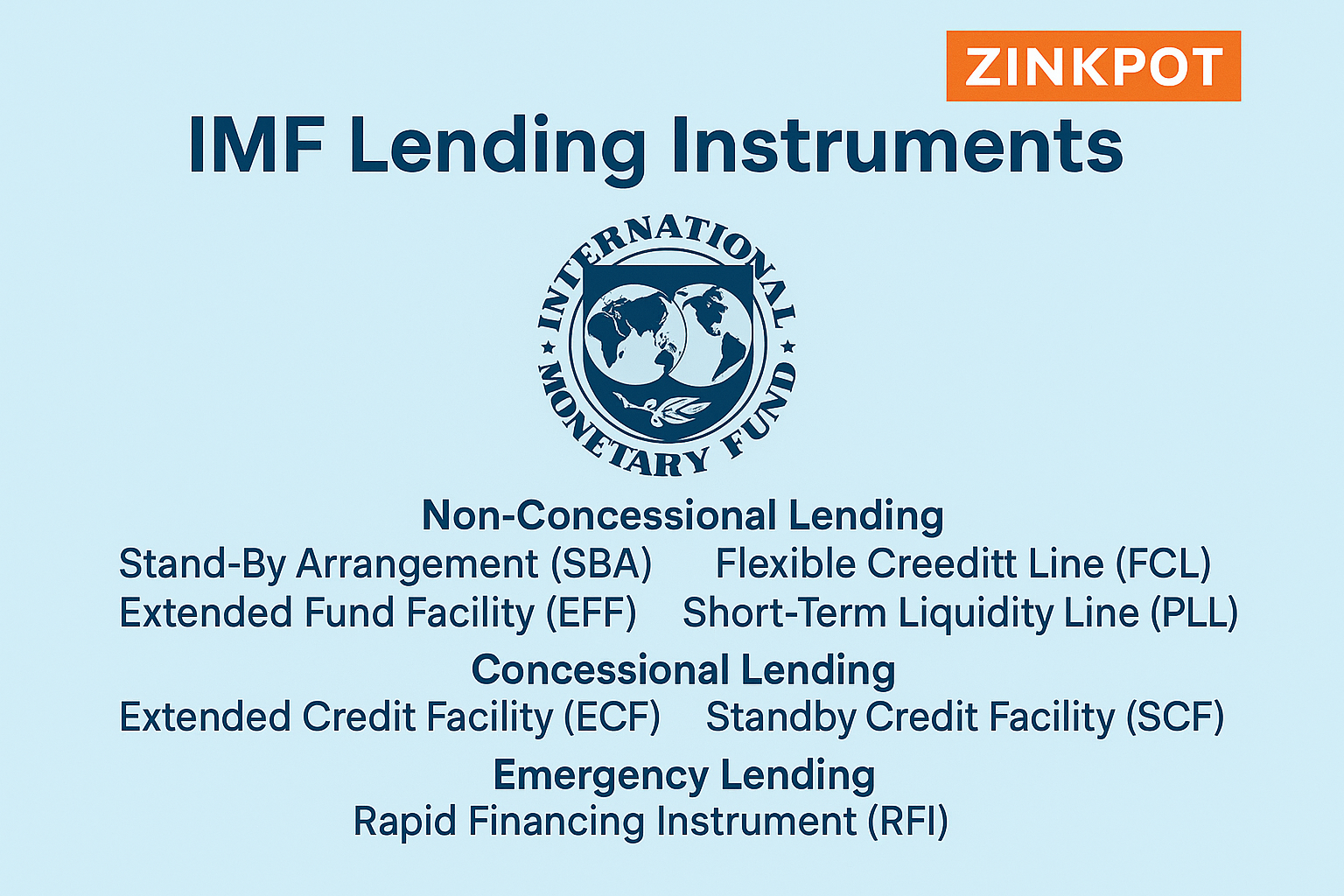
What are IMF's lending instruments?
June 01 The IMF (International Monetary Fund) offers a range of lending instruments to help countries address balance of payments problems, stabilize economies, and implement reforms. These instruments differ by purpose, conditions, and repayment terms. Non-Concessional Lending (for middle- & upper-income countries) 1. Stand-By Arrangement (SBA) : Up to 3 years but usually 12-18 months Used for: Present, prospective, or potential balance of payments need, Short-term balance of payment needs Duration:...
-
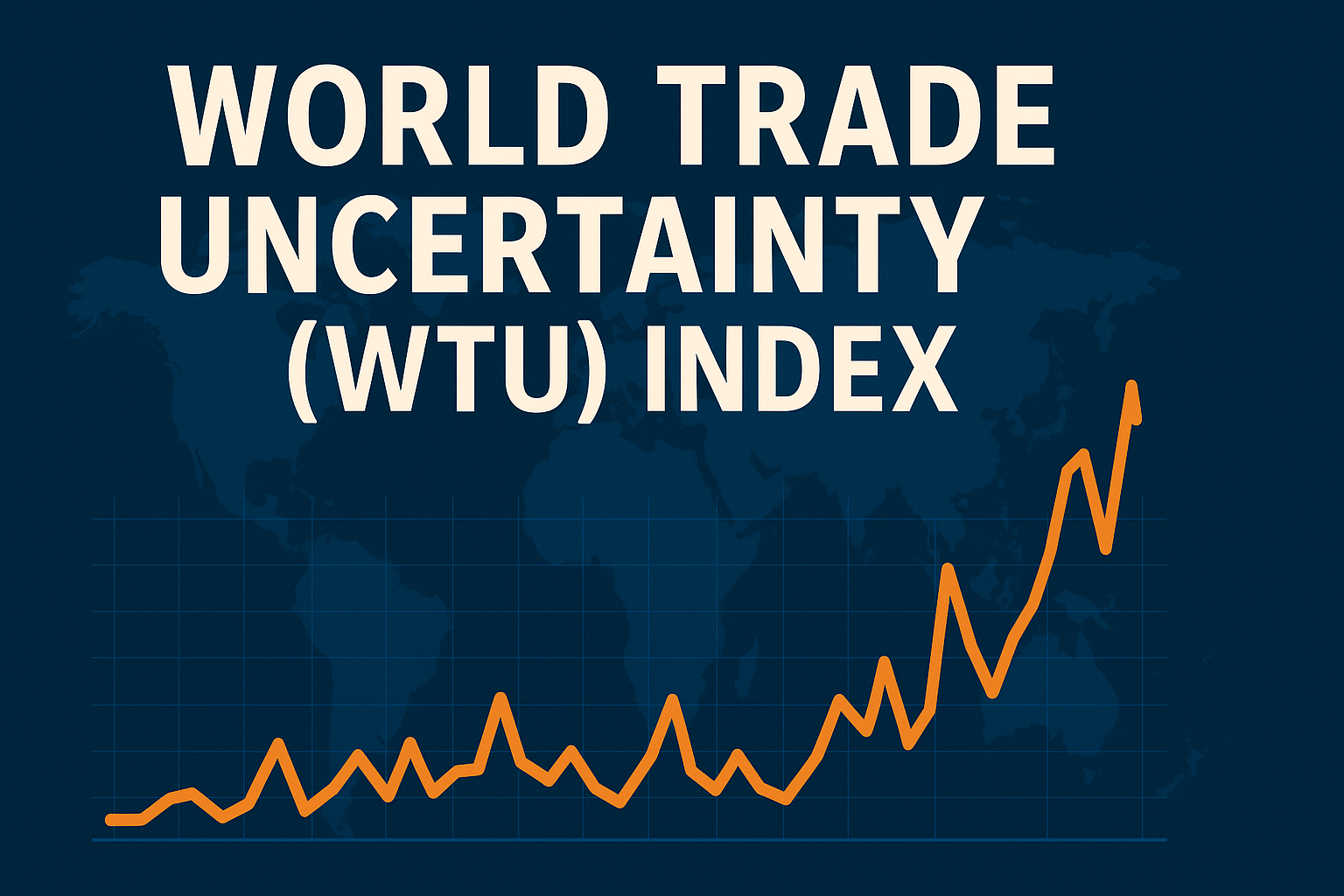
What is World Trade Uncertainty (WTU) Index?
May 13 WHAT? The World Trade Uncertainty Index is a global economic indicator developed by the International Monetary Fund (IMF) to measure uncertainty related to trade policy across countries and over time. It is published by International Monetary Fund (IMF) and Updated quarterly, available on the IMF's official website. What Does It Measure? The WTU Index quantifies trade-related uncertainty by analyzing the frequency of terms related to "trade" and "uncertainty" in the Economist...
-
Major differences between EFF, SBA and RFI facilities of IMF
May 10 Feature Extended Fund Facility (EFF) Stand-By Arrangement (SBA) Rapid Financing Instrument (RFI) Main Purpose Medium- to long-term assistance for countries with structural issues and persistent balance of payments (BoP) problems. Short-term help to resolve temporary BoP gaps, including shocks like commodity price swings. Immediate financial support for countries facing urgent BoP needs (e.g. disasters, pandemics). Launched 1974 1952 (modern...
-
What is the Extended Fund Facility (EFF) of the IMF?
May 10 WHAT? The Extended Fund Facility (EFF) is one of the key lending instruments of the International Monetary Fund (IMF), designed to assist countries facing serious medium- to long-term balance of payments problems due to structural weaknesses. DETAILS ABOUT EEF Purpose : Support economic programs to overcome structural issues and stabilize the economy. Launched : 1974 Loan Duration : Typically 3 to 4 years (can be extended to 5). Repayment Period : Starts 4.5 years after...
-
What is Balance of Payments (BOP), Current and Capital Account Convertibility?
June 09 WHAT? The balance of payments (BOP) of a country records all economic transactions of a country including of its individuals, businesses and governments with the rest of the world during a defined period, usually one year. ACCOUNTS UNDER BALANCE OF PAYMENT These transactions are broadly divided into two heads – current account and capital account. The current account covers exports and imports of goods and services, factor income such as interests received or paid, as well as...
-
How is IMF funded or financed?
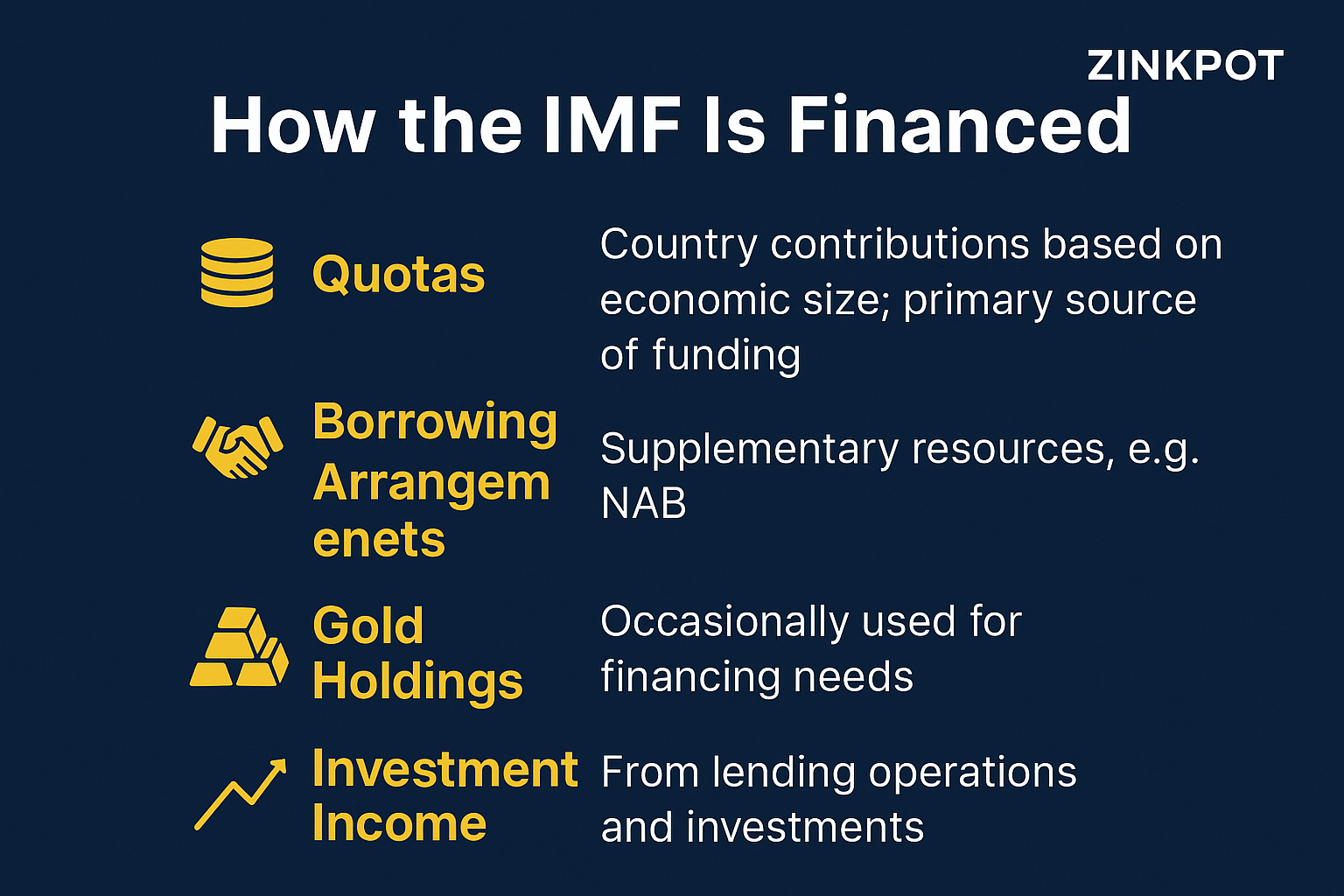
April 13 Who funds the IMF? The money the IMF lends to its members comes from member countries, mainly through their payment of quotas. However multilateral and bilateral arrangements can supplement quota funds and plays a critical role in the IMF’s support for member countries in times of crisis. IMF funds come from three sources: member quotas, multilateral and bilateral borrowing agreements. Member quotas Member quotas are the primary source of IMF funding. A member country’s quota reflects...
-
What is De-Dollarization and Dollarization?
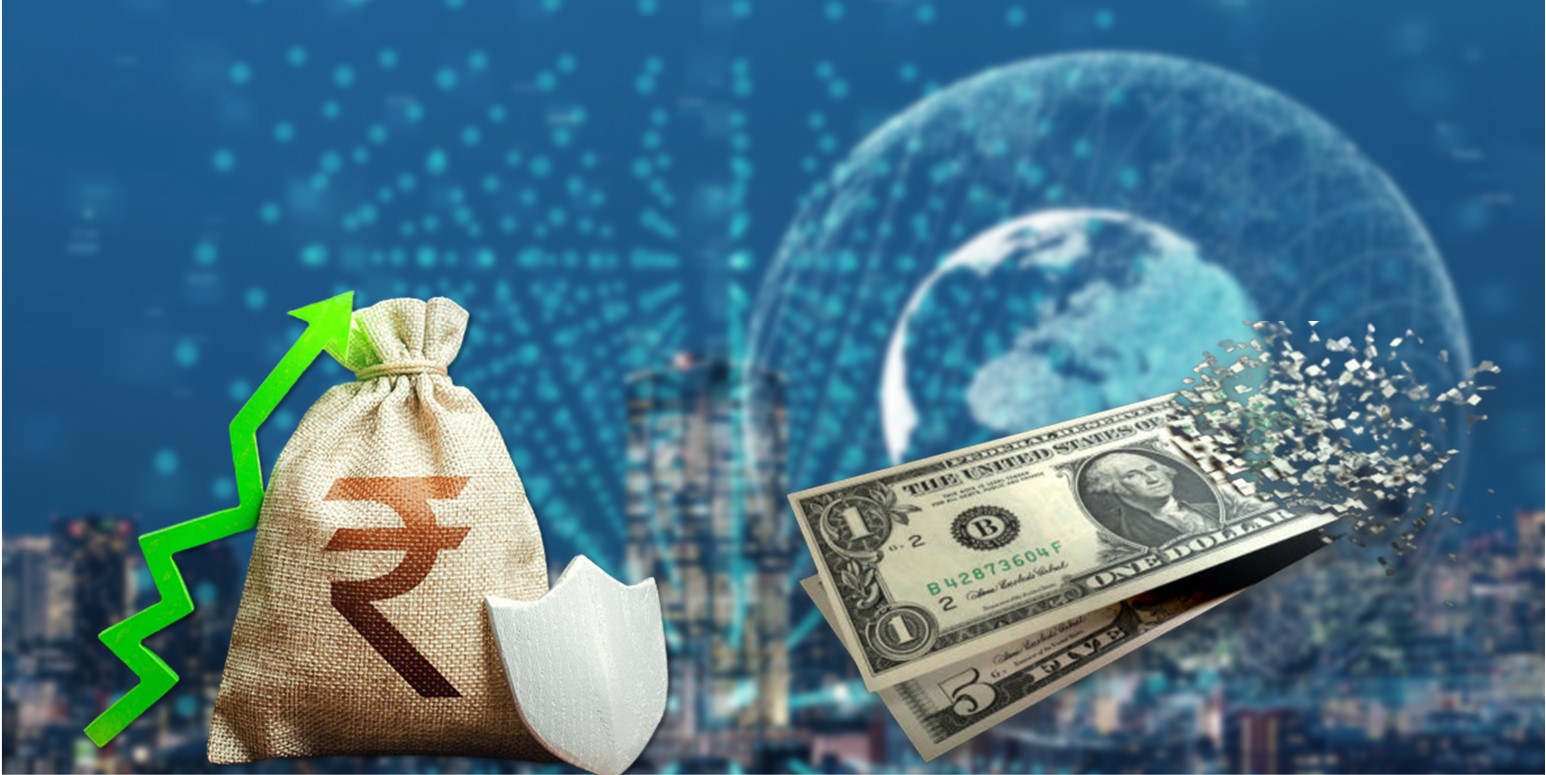
January 19 The global markets are dominated by a single currency which is the dollar. The United States (US) dollar, accounts for 59.02 percent of the Official Foreign Exchange Reserves (COFER). Many countries have started using dollars as their domestic currency like Argentina. The phenomenon of using the US dollar as a substitute for the domestic currency, to varying extents, is often referred to as dollarisation. (not De-dollarization) Due to the dominance of the US dollar, it is mostly used in the international trade, making it the...
-
What is Special Drawing Rights (SDR)?
July 03 What is a SDR? The SDR is an international reserve asset. The SDR itself is not a currency but an asset that holders can exchange for currency when needed. The SDR serves as the unit of account of the IMF and other international organizations. Special Drawing Rights (SDR) was created by the International Monetary Fund in 1969. The SDR serves as the unit of account of the IMF.Though it is not a real currency, it is just a unit of account. What is the purpose of the SDR? The IMF created the SDR as a...
Comments
Write Comment