CURRENT NEWS
India's wholesale inflation eases to 2.05% in March from 2.38% in February
ECONOMIC TIMES India’s wholesale inflation eased to 2.05 per cent in March on an annual basis, as against 2.38 per cent in January, government data showed on Tuesday. Click here to read full news
About author

Zinkpot — We Inform, You Perform.
Ask Anything, Know Better
अपना प्रश्न पूछें
Tags
Inflation
-

What is a Variable Reverse Repo Rate (VRRR)?
June 24 WHAT? The reverse repo rate is the interest rate at which the RBI borrows short-term funds from commercial banks, effectively absorbing excess liquidity usually at a fixed rate as determined by the RBI. A Variable Reverse Repo Rate (VRRR) is a monetary policy tool used by the Reserve Bank of India (RBI) to manage liquidity in the banking system in which the "variable" aspect refers to a mechanism where the rate is determined through auctions, allowing flexibility in the interest rate based on market...
-
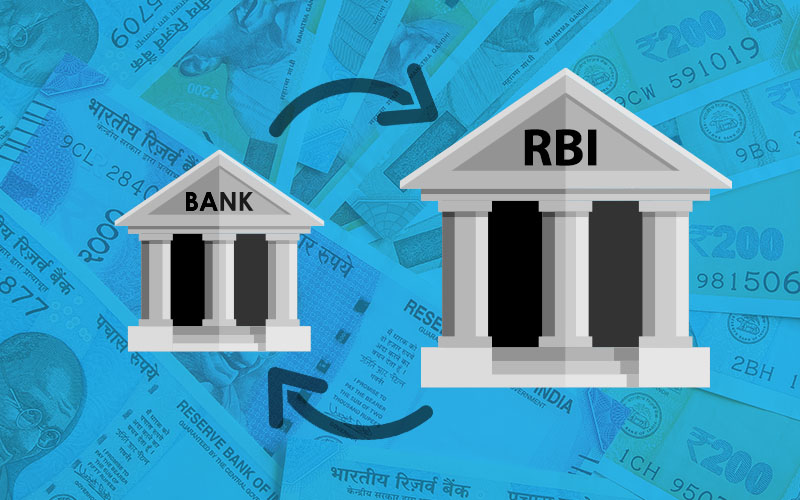
Understanding RBI’s KEY TERMS used to define MONEY SUPPLY
April 24 The Reserve Bank of India at times uses terms like withdrawal of accommodation, neutral, hawkish and others. What does this all mean? RBI’s ‘NEUTRAL’ means A neutral stance indicates that the RBI maintains flexibility in adjusting policy rates based on prevailing economic conditions. This means that the central bank is open to either increasing or decreasing interest rates, depending on data related to inflation and economic growth. The neutral stance is generally adopted when both...
Comments
Write Comment