External Sector
Is Dubai going to sink?
HOW DUBAI IS IMAGINED?
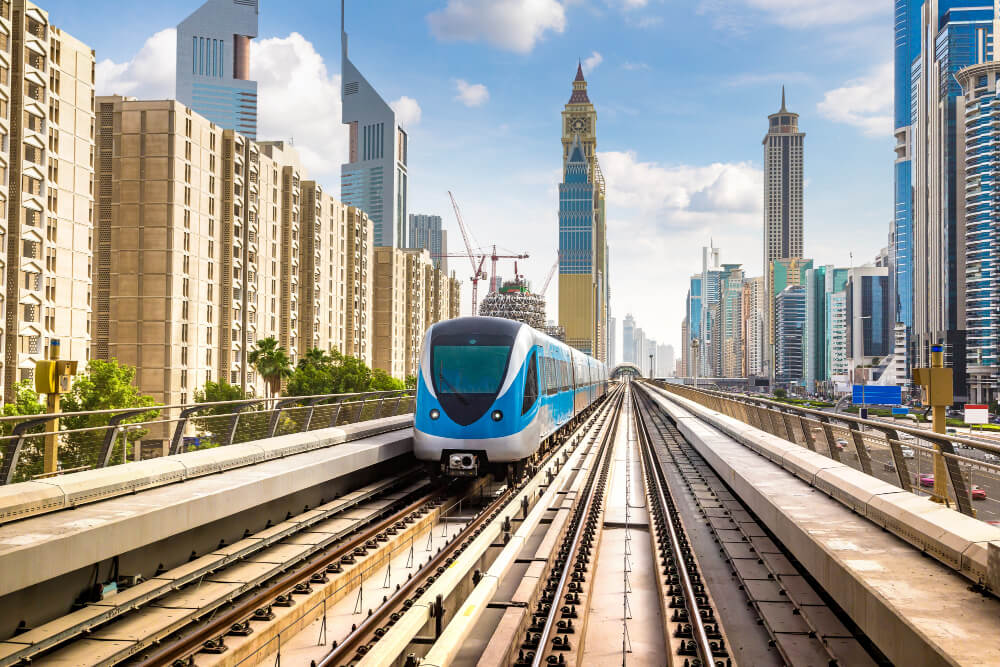
We often think of luxurious homes, beautiful skylines, and extravagant lifestyles, whenever we hear about the city Dubai of the UAE! This global city has been attracting wealthy persons from across the world. Dubai is presently one of the most affordable luxury destinations in the world in comparison to many of its counterparts, including Hong Kong, Singapore, etc.
During the covid pandemic, the way Dubai administration handled the situation has further increased interest in the Dubai residential market by the wealthy, including not just businessmen but also top professionals in banking and financial services and even crypto millionaires. Due to the heavy demand, residential rents in Dubai have been faster than the Property price growth and soared by 20 % between 2022 and 2023.
WHY INDIANS PREFER DUBAI?
Dubai has emerged as most favoured destinations by Indians as well due to many reasons such as its proximity to India, low tax burden and business favouring government measures. The UAE is issuing long-term visas, between five and 10 years, to entrepreneurs, professionals, investors, and specialists in the medical, scientific, research, and technical fields. As a result Indian high-net-worth individuals (HNIs) remain among the top investors in Dubai.
But there are some views that the Dubai real estate market has reached its peak? WILL THERE BE A DOWNTURN?
UAE has pegged its currency to the US dollar which means whatever measures US Federal bank takes, would directly impact the money supply in Dubai also. Due to increasing inflation in USA, the US Federal Reserve started increasing interest rates, there are similar chances of interest rates becoming higher in Dubai which would affect the loan market in UAE affecting it’s real estate market. Considering interest rates had never shot up so drastically in 22 years, a slowdown is expected in Dubai’s real estate market. Due to the high inflow of money from across the world, The property prices in the UAE has been increasing, making it less affordable for the people who earlier favoured it’s market.
So what’s next for Dubai's real estate market?
It is unlikely that there will be a major slowdown anytime soon because the UAE government's open door policy for foreign investors has helped them tide through the tough and tumultuous times post-pandemic. The luxury segment in Dubai is likely to continue to grow as demand remains upbeat. Also, the right product at the right location with world-class amenities will continue to garner attention.
IMPACT OF RUSSIA AND CHINA?
After the Russia-Ukraine war began, many of the wealthy Russians started to invest heavily in Dubai because they had to invest safely as US and Europe were no longer a safe option. But now, this trend is also reversing. Even though Chinese and Russian inflows tapered off, increased interest among Indian investors could keep any downturn mild. As per a report, Dubai is set to deliver just 13,000 homes annually over the next six years. This figure is well below the run-rate of 30,000 units over the last 15 years. The exposure of the UAE's 10 largest banks to the real estate sector has also seen a decline. In 2008, during the financial crisis, this exposure stood at approximately 30%, decreasing to 16.2% by the third quarter of 2023.
Uncontrollable inflation and a dynamic global interest rate policy had already hampered market growth. Now, geopolitical factors like the tensions in West Asia and the unabated Russia-Ukraine war are also causing uncertainty. All these factors indicate a high chance of a slowdown in Dubai’s real estate sector. But the city's historic resilience needs to be considered before jumping to any conclusion.
About author

Zinkpot — We Inform, You Perform.
Ask Anything, Know Better
अपना प्रश्न पूछें
-
Russia में अब INDIAN WORKERS की डिमांड!
November 19
-
Russia’s New Trade Route!
October 12
-
79th INDEPENDENCE DAY : What has INDIA achieved so far?
August 15 CONTEXT India gained independence from British rule on August 15, 1947, marking the beginning of a transformative journey from a colonized nation grappling with poverty, partition trauma, and economic fragility to a global powerhouse. Over the past 79 years (up to August 2025), India has made remarkable strides across multiple sectors, overcoming challenges like famines, wars, and internal conflicts while building a vibrant democracy. Key milestones include economic growth, scientific advancements, social...
-
What are European Union's sanctions on India for buying Russian oil?
July 21 WHAT? The European Union’s 18th sanctions package against Russia, adopted on July 18, 2025, targets Russia’s oil and energy sector to reduce revenues funding its war in Ukraine, with specific measures impacting India’s oil trade. These sanctions, part of a broader effort to curb Russian oil exports, affect Indian refineries and shipping, particularly due to India’s significant imports of discounted Russian crude. Main Points of the EU’s Russia Oil Sanctions Sanctions on...
-
UAE Golden Visa का सच: सावधान! AGENT कर रहे हैं लाखों की ठगी!
July 10
-
India shuts land route for jute imports from Bangladesh in latest strike against 'unfair trade'
July 02 WHAT? India has shut down land routes for importing jute from Bangladesh, restricting entry to only the Nhava Sheva port in Maharashtra. This decision, effective immediately, aims to counter what India perceives as "unfair trade practices" by Bangladesh, particularly the dumping of subsidized jute products like yarn, fiber, and bags. Key Details Trade Context: Under the South Asian Free Trade Area (SAFTA), Bangladesh has enjoyed duty-free access to Indian markets for jute. However, Indian...
-
9,800 millionaires to move to UAE in 2025; India to lose 3,500: Report
June 25 WHAT? The article from Business Standard reports on global millionaire migration trends for 2025, based on the Henley Private Wealth Migration Report 2025. Key Points Global Migration: Approximately 142,000 high-net-worth individuals (HNWIs), defined as those with liquid assets exceeding $1 million, are expected to relocate to new countries in 2025, increasing to 165,000 in 2026. UAE as Top Destination: The United Arab Emirates (UAE) is projected to attract the highest number of millionaires...
-
Pinaka missile भारत की ताकत और धार्मिक विरासत दोनों!
May 21
-
How INDIA conducted its FIRST NUCLEAR TEST!
May 16
-
Turkey की Pakistan दोस्ती पर भारत का जवाब!
April 28
Comments
Write Comment