IMF
What is the Extended Fund Facility (EFF) of the IMF?
WHAT?
The Extended Fund Facility (EFF) is one of the key lending instruments of the International Monetary Fund (IMF), designed to assist countries facing serious medium- to long-term balance of payments problems due to structural weaknesses.
DETAILS ABOUT EEF
- Purpose : Support economic programs to overcome structural issues and stabilize the economy.
- Launched : 1974
- Loan Duration : Typically 3 to 4 years (can be extended to 5).
- Repayment Period : Starts 4.5 years after disbursement and is repayable over 10 years.
- Interest Rate : Concessional for low-income countries; otherwise based on market rates.
- Conditions : Comes with structural reform conditions, like fiscal discipline, tax reforms, privatization, etc.
- Disbursement : Made in tranches based on performance reviews.
When Is EFF Used?
EEF is used by the countries which have prolonged balance of payments deficits, face low reserves or debt distress, and require deep economic reforms (not just temporary liquidity help. Recent Example for Pakistan (2023–2024) where the IMF approved a $3 billion EFF in July 2023. It was provided to to stabilize Pakistan's economy, reduce fiscal deficit, and reform energy and tax sectors. But the loans sanctioned also requires strict performance targets to be met by the governments, such as increasing energy tariffs, removing subsidies, and expanding tax base.
Reforms Often Required under EFF
- Reducing fiscal deficits.
- Strengthening tax systems.
- Restructuring public enterprises.
- Financial sector reforms.
- Central bank independence.
About author

Zinkpot — We Inform, You Perform.
Ask Anything, Know Better
अपना प्रश्न पूछें
-
What are IMF's lending instruments?
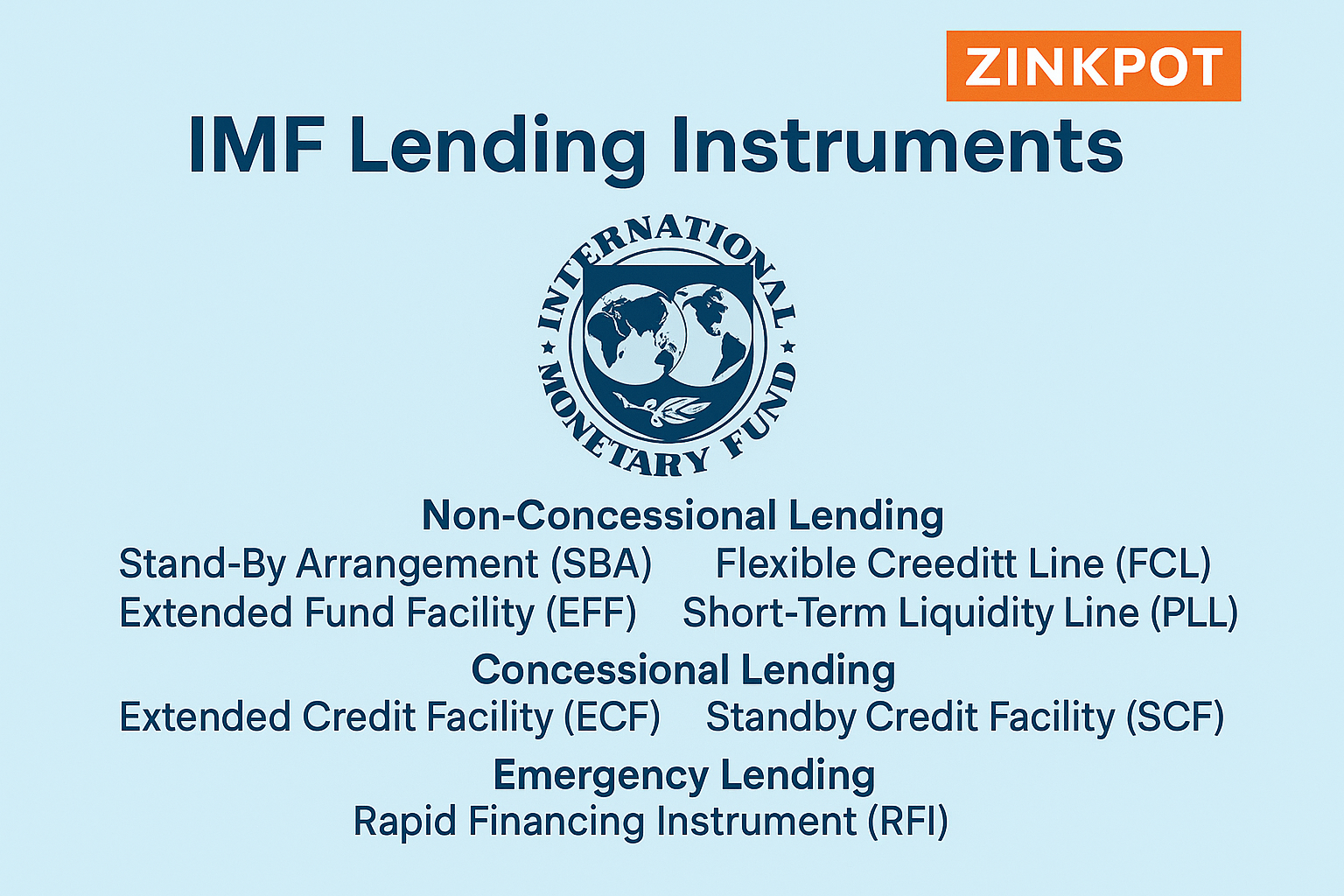
June 01 The IMF (International Monetary Fund) offers a range of lending instruments to help countries address balance of payments problems, stabilize economies, and implement reforms. These instruments differ by purpose, conditions, and repayment terms. Non-Concessional Lending (for middle- & upper-income countries) 1. Stand-By Arrangement (SBA) : Up to 3 years but usually 12-18 months Used for: Present, prospective, or potential balance of payments need, Short-term balance of payment needs Duration:...
-
Who are the Primary Dealers (PDs) with RBI?
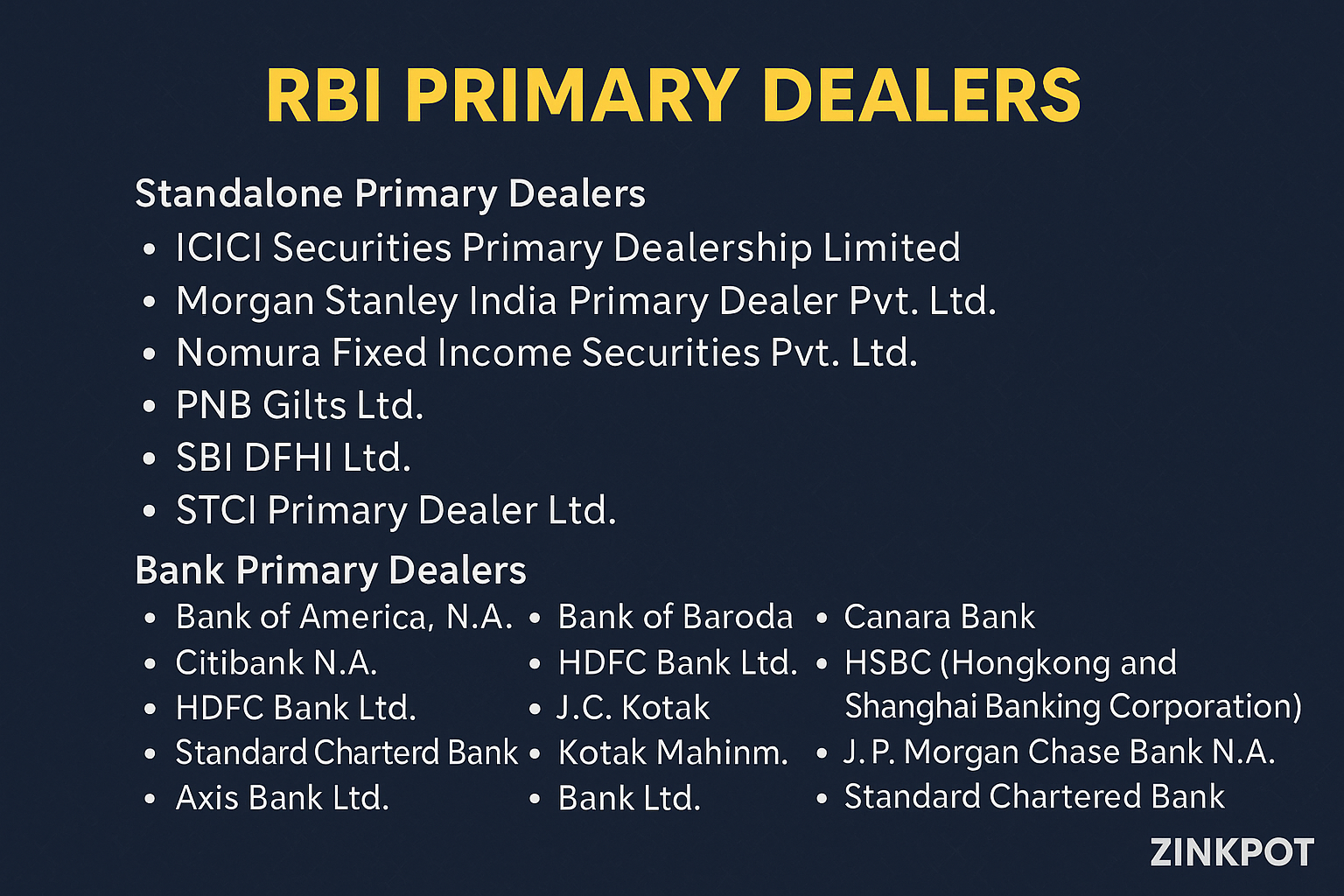
May 26 DEFINITION Primary Dealers (PDs) are financial institutions authorized by the Reserve Bank of India (RBI) to underwrite and participate directly in the auction of government securities, including Treasury Bills (T-Bills) and Dated Securities (G-Secs). The Reserve Bank of India (RBI) designates certain institutions as Primary Dealers (PDs) to strengthen the government securities (G-Sec) market. TYPES These PDs are categorized into two types: Standalone Primary Dealers: Non-bank entities that...
-
What is World Trade Uncertainty (WTU) Index?
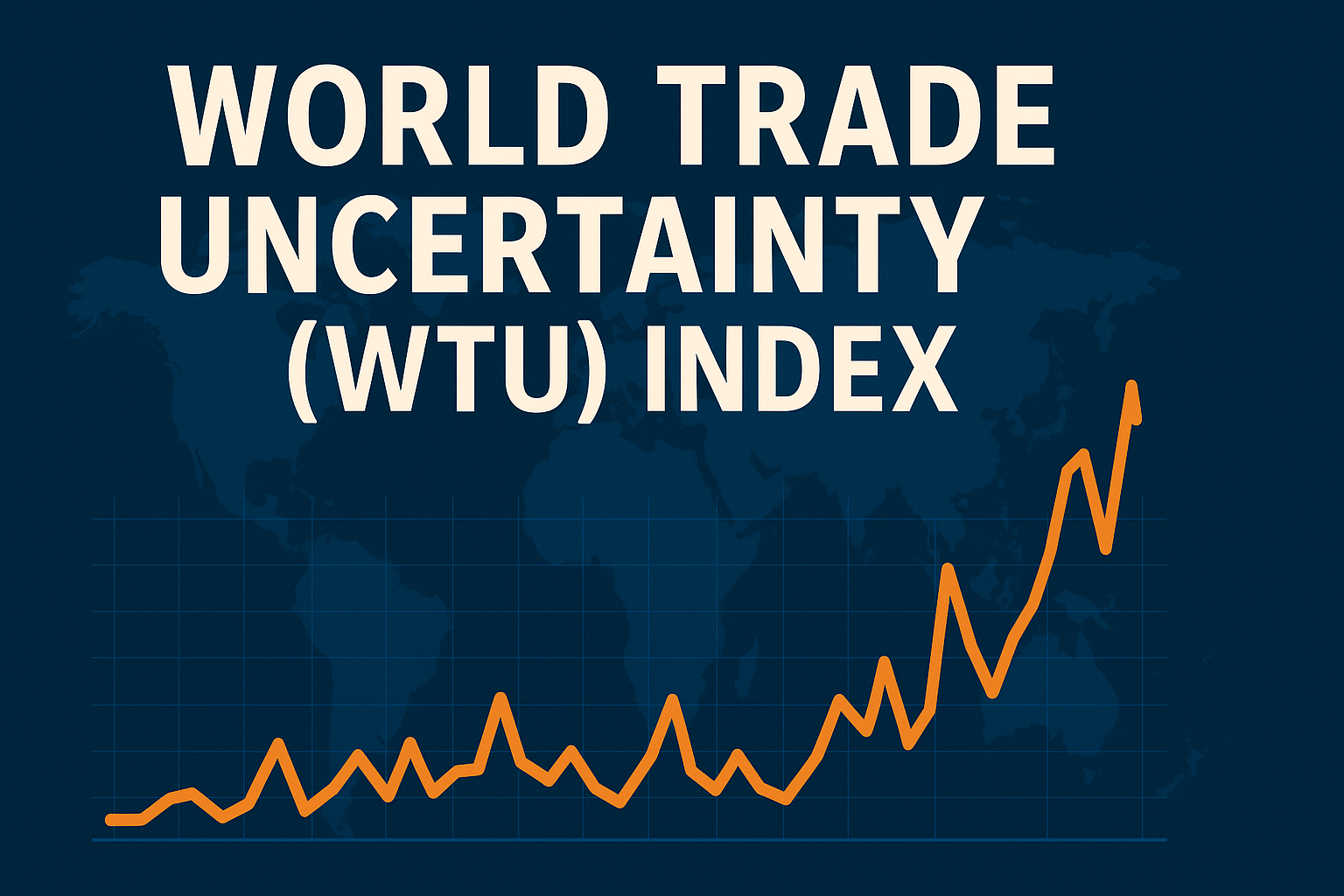
May 13 WHAT? The World Trade Uncertainty Index is a global economic indicator developed by the International Monetary Fund (IMF) to measure uncertainty related to trade policy across countries and over time. It is published by International Monetary Fund (IMF) and Updated quarterly, available on the IMF's official website. What Does It Measure? The WTU Index quantifies trade-related uncertainty by analyzing the frequency of terms related to "trade" and "uncertainty" in the Economist...
-
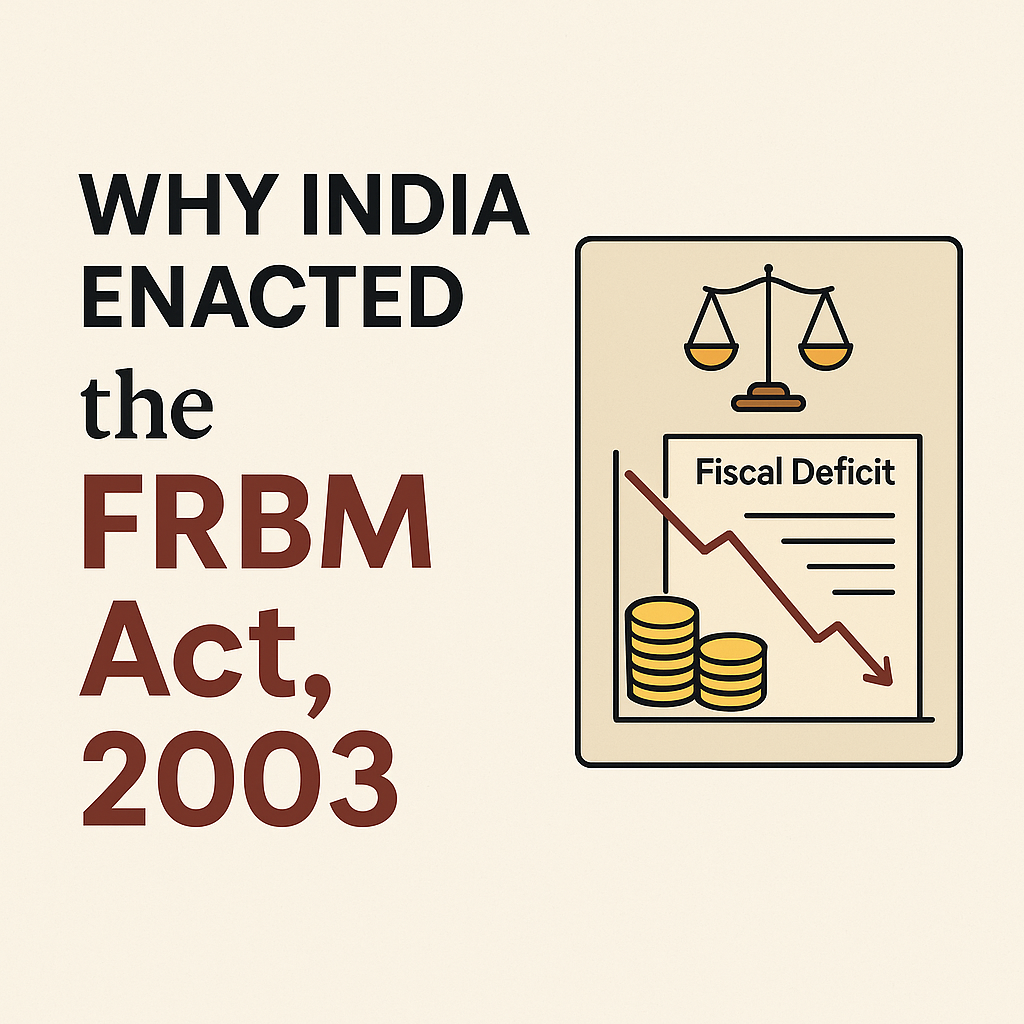
Why did India enact Fiscal Responsibility and Budget Management(FRBM) Act, 2003?
May 11 WHAT? The Fiscal Responsibility and Budget Management (FRBM) Act, 2003 is a legislation enacted by the Indian Parliament to ensure fiscal discipline, improve macroeconomic stability, and reduce the fiscal deficit of the central government over time. Key Fiscal Challenges Before FRBM India’s fiscal deficit (central government) averaged 6.5% of GDP in the 1990s, peaking at 6.5% in 2001–02. A high fiscal deficit meant heavy borrowing from the market, which crowded out private investment,...
-
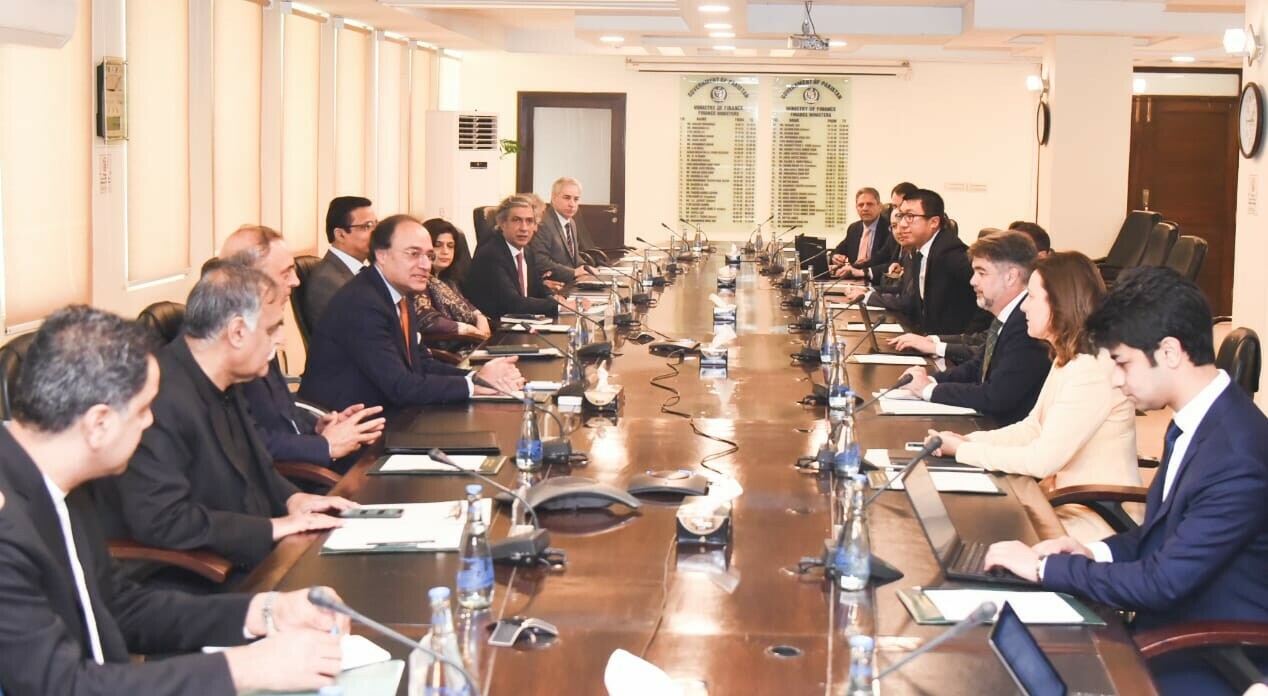
Major differences between EFF, SBA and RFI facilities of IMF
May 10 Feature Extended Fund Facility (EFF) Stand-By Arrangement (SBA) Rapid Financing Instrument (RFI) Main Purpose Medium- to long-term assistance for countries with structural issues and persistent balance of payments (BoP) problems. Short-term help to resolve temporary BoP gaps, including shocks like commodity price swings. Immediate financial support for countries facing urgent BoP needs (e.g. disasters, pandemics). Launched 1974 1952 (modern...
-
What is a Fund of Funds (FoF) and FoF scheme?
May 07 WHAT? Usually a fund like Mutual fund invests in some stocks or bonds directly. But a ‘Fund Of Funds’ (FOF) is an investment strategy of holding a portfolio of some different Mutual funds or investment funds rather than investing directly in stocks, bonds or other securities. Therefore an FOF Scheme primarily invests in the units of another Mutual Fund scheme or some Alternate Investment Funds (AIFs). This a normal fund holds shares where as the FoF holds the units of other mutual fund or AIF...
-
What are Petro-Dollars and the history behind it?
June 20 Initially, the Bretton Woods Agreement of 1944 established the US dollar as the world’s primary reserve currency, pegged (connected) to the value of gold. Till 1971, the value of a dollar was tied to the value of gold known as the system of fixed currency exchange rates. But it collapsed in 1971 because the global economy and its demand for gold was much higher than the available supply of this metal. In 1973, the Organization of Petroleum Exporting Countries (OPEC) imposed an oil embargo (ban) in response to...
-
What is Balance of Payments (BOP), Current and Capital Account Convertibility?
June 09 WHAT? The balance of payments (BOP) of a country records all economic transactions of a country including of its individuals, businesses and governments with the rest of the world during a defined period, usually one year. ACCOUNTS UNDER BALANCE OF PAYMENT These transactions are broadly divided into two heads – current account and capital account. The current account covers exports and imports of goods and services, factor income such as interests received or paid, as well as...
-
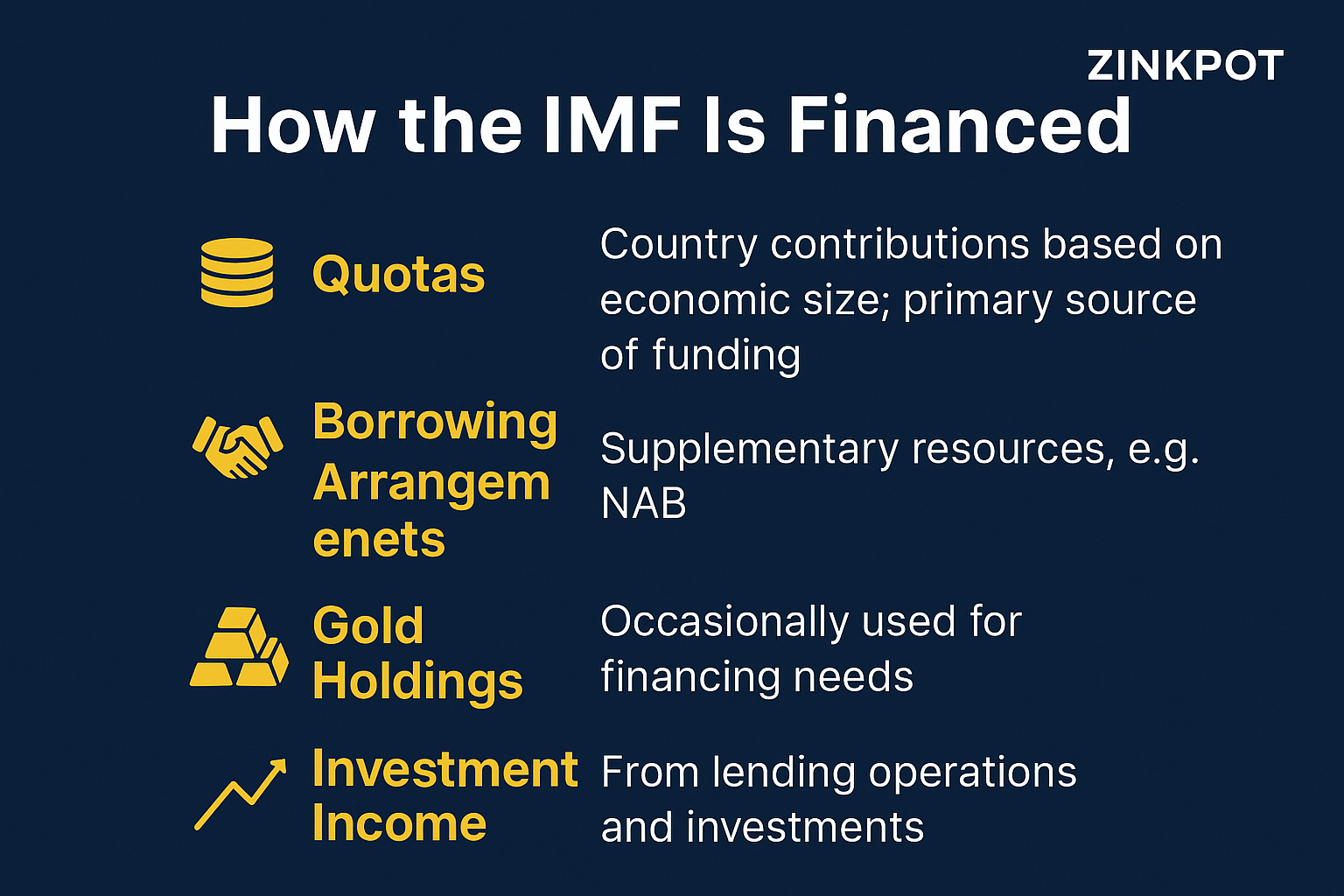
How is IMF funded or financed?
April 13 Who funds the IMF? The money the IMF lends to its members comes from member countries, mainly through their payment of quotas. However multilateral and bilateral arrangements can supplement quota funds and plays a critical role in the IMF’s support for member countries in times of crisis. IMF funds come from three sources: member quotas, multilateral and bilateral borrowing agreements. Member quotas Member quotas are the primary source of IMF funding. A member country’s quota reflects...
-

What is De-Dollarization and Dollarization?
January 19 The global markets are dominated by a single currency which is the dollar. The United States (US) dollar, accounts for 59.02 percent of the Official Foreign Exchange Reserves (COFER). Many countries have started using dollars as their domestic currency like Argentina. The phenomenon of using the US dollar as a substitute for the domestic currency, to varying extents, is often referred to as dollarisation. (not De-dollarization) Due to the dominance of the US dollar, it is mostly used in the international trade, making it the...
Comments
Write Comment