Economy and Finance
All about Global Innovation Index (GII) ग्लोबल इनोवेशन इंडेक्स के बारे में
- The Global Innovation Index (GII) is the ranking of countries as per their success and capacity in innovation. It provides detailed metrics about the innovation performance of 132 countries and economies all over the world. ग्लोबल इनोवेशन इंडेक्स (जीआईआई) नवाचार में उनकी सफलता और क्षमता के अनुसार देशों की रैंकिंग है। यह पूरी दुनिया में 132 देशों और अर्थव्यवस्थाओं के नवाचार प्रदर्शन के बारे में विस्तृत मेट्रिक्स प्रदान करता है।
- It is published yearly since 2007 by INSEAD, Cornell University and the World Intellectual Property organization (WIPO). यह INSEAD, कॉर्नेल विश्वविद्यालय और विश्व बौद्धिक संपदा संगठन (WIPO) द्वारा 2007 से वार्षिक रूप से प्रकाशित किया जाता है।
- It is an evolving project that builds on its previous editions while incorporating newly available data inspired by the latest research on the measurement of innovation. यह एक उभरती हुई परियोजना है जो नवाचार के मापन पर नवीनतम शोध से प्रेरित नए उपलब्ध डेटा को शामिल करते हुए अपने पिछले संस्करणों पर आधारित है।
- The index uses 80 indicators that consider a wide idea of innovation including education, political environment, business sophistication and infrastructure. सूचकांक 80 संकेतकों का उपयोग करता है जो शिक्षा, राजनीतिक वातावरण, व्यापार परिष्कार और बुनियादी ढांचे सहित नवाचार के व्यापक विचार पर विचार करता है।
- The index is based on both objective and subjective data compiled from various sources, including the World Bank, the International Telecommunication Union and the IMF. सूचकांक विश्व बैंक, अंतर्राष्ट्रीय दूरसंचार संघ और आईएमएफ समेत विभिन्न स्रोतों से संकलित उद्देश्य और व्यक्तिपरक डेटा दोनों पर आधारित है।
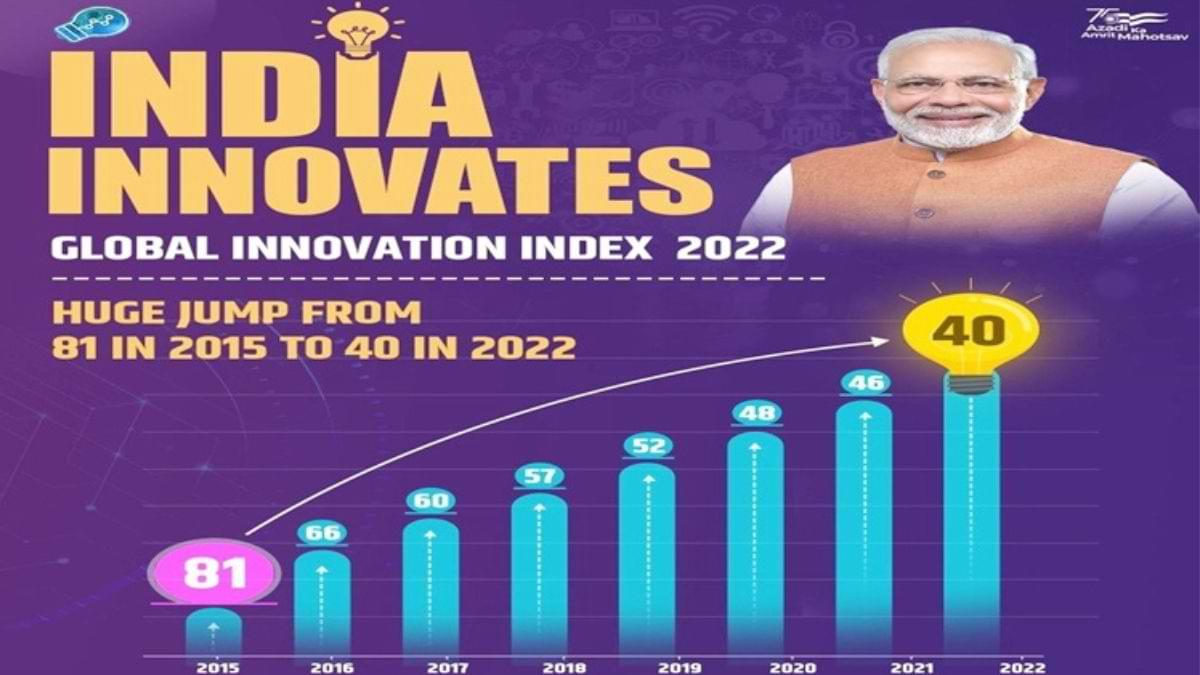
- The 15th edition of the GII was launched globally on September 30, 2022. India has climbed six positions and has scored 40th rank in the Global Innovation Index 2022. GII के 15वें संस्करण को 30 सितंबर, 2022 को वैश्विक स्तर पर लॉन्च किया गया था। भारत ने छह पायदान ऊपर चढ़कर ग्लोबल इनोवेशन इंडेक्स 2022 में 40वीं रैंक हासिल की है।
About author

Zinkpot — We Inform, You Perform.
Ask Anything, Know Better
अपना प्रश्न पूछें
-
About Trade Policy Uncertainty (TPU) Index and Global Economic Policy Uncertainty (GEPU) Index
April 08 Trade Policy Uncertainty (TPU) Index The Trade Policy Uncertainty (TPU) Index measures uncertainty related specifically to international trade policies, such as tariffs, trade wars, sanctions, or changes in trade agreements. It indicates how uncertain businesses and investors feel about future trade rules. The TPU index is based on the broader Economic Policy Uncertainty research framework developed by economists: Scott Baker Nicholas Bloom Steven Davis How It Is Calculated? The TPU...
-
What is Food Credit and Non Food Credit?
April 08 What is Non food credit? Non-Food Credit is used to measure how much bank lending is going to sectors other than government food procurement operations. It is an important indicator of real economic activity and private sector demand for loans. Non-Food Credit : Non-Food Credit = Total bank credit – Food credit It refers to loans given by banks to sectors like: Industry Services Agriculture Retail / Personal loans MSMEs Infrastructure Trade and commerce Non-Food...
-
What are the major announcements in the Union Budget 2026-27?
February 08 Background The Union Budget 2026-27 focused on Yuva Shakti-driven growth, fiscal consolidation (fiscal deficit at 4.3% of GDP), increased public capex to ₹12.2 lakh crore, and major sectoral pushes in manufacturing, infrastructure, agriculture, and technology. It introduced several new schemes and enhanced existing ones under the theme of "Kartavya" (duties) toward Viksit Bharat by 2047. Here is a list of all major schemes or new announcements Manufacturing & Strategic...
-
What is Pax Silica? What are opportunities and Challenges before India?
January 26 Background Pax Silica is a U.S.-led international initiative focused on building secure, resilient, and innovation-driven supply chains for technologies essential to the AI era, particularly those involving silicon, critical minerals, semiconductors, and advanced computing. The name draws from "Pax" (Latin for peace, stability, and prosperity) and "Silica" (referring to silicon dioxide, the foundational material for semiconductors). It represents the U.S. Department...
-
What are TIER-II bonds in Banking?
November 19 BACKGROUND Every modern bank needs a financial safety net strong enough to absorb shocks, cover unexpected losses, and reassure depositors. Under global Basel III norms, this safety net is called the capital adequacy framework, which divides a bank’s own capital into two layers — Tier 1 and Tier 2. Tier 1 Capital is the core capital — the shareholders’ equity, reserves, and retained earnings. It is the first line of defence. Tier 2 Capital, by contrast, is the supplementary layer — composed mainly of...
-
Is the Dollar’s Dominance Coming to an End?
November 19 What does the Dollar Dominance Mean? For nearly eight decades, the U.S. dollar (USD) has been the world’s reserve currency and has been used for Global trade and oil payments (the “petrodollar” system) Central bank reserves International loans and debt Safe-haven investment in crises The dollar has been the backbone of the global financial system. About 58–60% of all global foreign exchange reserves are still held in dollars (IMF, 2025). How did the Dollar become...
-
What is the Generalized System of Preferences (GSP)?
November 15 Introduction The Generalized System of Preferences (GSP) is a special trade program that makes it easier for developing countries to sell their products to richer countries. Under GSP, many goods from poorer nations can enter big markets like the US or the EU at lower taxes or zero taxes, which helps these countries earn more money, create jobs, and reduce poverty. The idea started more than 50 years ago to make a global trade fair and to support countries that are still growing. Different countries have their own versions of GSP, but...
-
What is Digital Gold? What are it's alternatives?
November 13 WHAT? Digital gold (also known as e-gold or online gold) is a way to buy, sell, and store physical gold electronically through online platforms — without needing to hold the gold yourself. Here’s how it works and what it means: How It Works? You buy gold online for as little as ₹10 or ₹100 via apps or platforms (like Paytm, PhonePe, Google Pay, Tanishq, SafeGold, Augmont, etc.). The platform buys and stores equivalent physical gold in secure vaults (usually insured and audited). You receive digital proof of...
-
CBDT Exposes ₹9,169 Crore Fake Political Donation Scam Involving Small Parties, Accountants, and Middlemen
November 10 Overview India's tax department has caught a big scam where people used fake donations to political parties to avoid paying taxes. The Central Board of Direct Taxes (CBDT) found out about a ₹9,169 crore racket. This involved small political parties, accountants, and middlemen who helped cheat the system. The news came out on November 9, 2025, and it's a wake-up call for how some people misuse rules meant for real political funding. Why CBDT Monitors Donations CBDT is the government body that handles income...
-
Lenskart IPO: From Mega Hype to Flat Listing
November 10 Overview Lenskart, a popular Indian company that sells eyeglasses, sunglasses, and contact lenses, was all set for a big entry into the stock market on Monday, November 10, 2025. But just before the shares started trading, the excitement died down. The Grey Market Premium (GMP), which shows how much extra people are willing to pay for shares before they officially list, dropped to zero. This wiped out all the buzz that had built up. Investors who hoped for quick profits are now expecting a flat or even disappointing...
- 1 RBI Digital Rupee e₹ क्या है? बिना Internet पेमेंट! कैसे इस्तेमाल करें Digital Rupee vs UPI April 15
- 2 About Trade Policy Uncertainty (TPU) Index and Global Economic Policy Uncertainty (GEPU) Index April 08
- 3 What is Food Credit and Non Food Credit? April 08
- 4 SARFAESI Act, 2002 Vs Insolvency & Bankruptcy Code (IBC), 2016 : Main Differences April 08
- 5 IN Skip navigation Search Sign in Transgender Bill 2026: क्या अब डॉक्टर तय करेंगे आपकी पहचान? NALSA से अब तक पूरा मामला April 01
- 6 80 लाख लोग सड़कों पर March 31
- 7 Iran US War: Strait of Hormuz के बाद Bab al-Mandeb Strait बंद हुआ तो दुनिया रोएगी | Zinkpot March 28
- 8 LPG vs CNG vs PNG | कौन सी गैस सबसे SAFE? Gas Crisis | Iran War | Zinkpot March 27
- 9 IPL 2026 सबसे बड़ा महामुकाबला । Maximum Teams, Prizes and Matches l Zinkpot March 26
- 10 Iran War 2026: ट्रंप की 48 घंटे की डेडलाइन खत्म… अब क्या होगा? March 25
- 11 USA LOST Dubai Trust? | Dubai अब Safe नहीं? | Iran War | ZINKPOT March 25
- 12 “मैं जिंदा हूं” – Netanyahu | Iran Nuclear Power खत्म? | IRAN War Update March 21
- 13 Iran war: Larijani killing Revenge | Iran Bombards Saudi Oil Refineries | Is this World War - 3 March 20
- 14 Israel–Iran Conflict Explained | क्या ये धर्म की लड़ाई है? | Middle East War Analysis March 19
- 15 IRAN WAR: TRUMP बेबस | Trump ने China से मांगी मदद | Strait of Hormuz संकट । Geopolitics March 17
- 16 Iran vs USA War: Operation Epic Fury पर उठे सवाल | Trump की बड़ी रणनीतिक गलती? March 16
- 17 IRAN WAR: Mojtaba Khamenei’s First Message | “हर मौत का बदला होगा” US-Israel को खुली चेतावनी March 14
- 18 IRAN WAR: जंग की लपटें रसोई तक | LPG CRISIS का संकट ! आख़िर कब तक March 13
- 19 IRAN WAR: AMERICA BLIND | क्या US Radar अब बेकार? March 12
- 20 What does Trump want from Iran? March 11
Comments
Write Comment