Industry and Infrastructure
Main Observations of India Employment Report 2024 by ILO
WHAT?
The India Employment Report 2024, jointly published by the International Labour Organisation (ILO) and the Institute for Human Development (IHD) in March 2024, examines youth employment challenges in India over the past two decades (2000–2022), with a postscript for 2023.
It draws on data from National Sample Surveys (NSS), Periodic Labour Force Surveys (PLFS), Annual Survey of Industries, National Account Statistics, and RBI-KLEMS database, focusing on employment, education, and skills in the context of India’s economic and labor market trends.
MAIN POINTS
- Youth Unemployment Crisis : High Youth Unemployment: Youth (aged 15–24) account for 83% of India’s unemployed workforce. Youth unemployment rose from 5.7% in 2000 to 17.5% in 2019, dropping to 12.1% in 2022 due to economic recovery post-COVID-19.
- Educated Youth : The share of unemployed youth with secondary or higher education nearly doubled, from 35.2% in 2000 to 65.7% in 2022, with graduates facing a 29.1% unemployment rate compared to 3.4% for illiterate individuals. Educated youth often face higher unemployment due to mismatched skills and job expectations.
- NEET (Not in Employment, Education, or Training) : One in three youths, particularly young women, were NEET in 2022, reflecting significant gender and skill gaps.
- Labor Market Trends : Paradoxical Improvements: Labor Force Participation Rate (LFPR), Worker Population Ratio (WPR), and Unemployment Rate (UR) deteriorated between 2000 and 2018 but improved post-2019, coinciding with economic distress pre- and post-COVID-19. LFPR rose from 61.3% in 2019 to 62.4% in 2022, and WPR increased from 56.6% to 59.4%.
- Gender Disparities : Female LFPR is among the world’s lowest, declining by 14.4 percentage points (2000–2019) to 32.8% in 2022, compared to male LFPR at 77.2%. Post-2019, female LFPR rose by 8.3 points, mainly in rural areas, driven by self-employment and unpaid family work.
- Informal Employment : 82% of the workforce is in the informal sector, and 90% is informally employed (self-employed or casual). Regular employment, which grew post-2000, declined after 2018, with only a small fraction under long-term contracts.
- Sectoral Shifts : Slow Transition to Non-Farm Sectors: The share of agriculture in employment fell from 60% in 2000 to 42% in 2019, absorbed mainly by construction and services (up to 32% in 2019). This transition reversed post-2019 due to COVID-19, with a rise in agricultural employment, especially among women.
- Insufficient Non-Farm Growth : Non-farm sectors (e.g., manufacturing, services) have not grown enough to absorb agricultural workers, limiting job quality improvements. Services, particularly modern services, drive productivity but not enough employment.
- Wage and Earnings Trends : Low and Stagnant Wages: Real wages for regular workers stagnated or declined (2012–2022), while casual laborers saw modest increases. Self-employed earnings dropped post-2019. 62% of unskilled agricultural workers and 70% of construction workers earned below minimum wages in 2022.
- Youth vs. Adults : Youth earn less than adults across all employment types, with higher vulnerability in informal or low-skill jobs.
- Emerging Trends : Gig and Platform Work: Digitally mediated gig work is expanding but remains largely informal, lacking social security and job stability. The report highlights algorithmic control and irregular wages as challenges.
- Impact of AI : The rise of artificial intelligence threatens jobs in sectors like outsourcing, where back-office tasks may be automated, necessitating investment in digital and care economies.
- Urbanization and Migration : Migration and urbanization rates (projected at 40% and 607 million urban population by 2030) are underestimated in official data, impacting labor market planning.
- Demographic Dividend : India adds 7–8 million youths annually to the labor force, offering a demographic dividend until at least 2036 (youth population: 27% in 2021, projected to decline to 23% by 2036). However, low skills and poor job quality hinder this potential.
- Skill Gaps : Despite improved educational attainment, youth lack technical and vocational skills, especially among marginalized groups (Scheduled Castes and Tribes), who engage in low-paid, informal work due to economic necessity.
- Regional Disparities : States like Bihar, Odisha, Jharkhand, and Uttar Pradesh rank lowest on the Employment Condition Index, while Delhi, Himachal Pradesh, Telangana, Uttarakhand, and Gujarat perform better. Regional variations reflect differences in education, infrastructure, and economic opportunities.
- Social Inequalities : Scheduled Castes and Tribes face persistent barriers to quality jobs, despite affirmative action, and are overrepresented in low-paid, casual work.
Key Policy Recommendations
- Job Creation: Promote labor-intensive manufacturing and support MSMEs with digital tools to create quality jobs.
- Improve Job Quality: Enhance social protection and formalize employment, especially in gig and platform work.
- Address Inequalities: Boost female participation through care facilities, safe transport, and workplace safety. Target marginalized groups for inclusion.
- Skills Development: Mainstream vocational training in education, align with National Education Policy, and improve employability through career counseling and job matching.
- Data and Research: Bridge knowledge gaps on labor market patterns, migration, and youth employment to inform policy.
Government Response and Controversy
Objections to ILO: India’s Ministry of Labour objected to the report, citing data inconsistencies (e.g., non-comparable EUS and PLFS datasets) and lack of collaboration with the government. It argued that international migration and gig economy contributions were ignored, and India’s own assessments show rising formal employment (e.g., EPFO/ESIC subscriptions).
About author

Zinkpot — We Inform, You Perform.
Ask Anything, Know Better
अपना प्रश्न पूछें
-
What is the Employment Linked Incentive (ELI) scheme?
July 04 WHAT? The Employment Linked Incentive (ELI) Scheme is a significant government initiative in India, announced in the Union Budget 2024-25, aimed at boosting formal job creation, enhancing employability, and expanding social security. Approved by the Union Cabinet on July 1, 2025, the scheme is part of a broader ₹2 lakh crore package targeting 4.1 crore youth over five years. With a specific outlay of ₹99,446 crore, it seeks to generate over 3.5 crore jobs, focusing on first-time employees and the manufacturing...
-
Work demand under MGNREGA job scheme increased by 4.2% in May, shows data
June 02 SUMMARY In May 2025, the Mahatma Gandhi National Rural Employment Guarantee Act (MGNREGA) witnessed a 4.2% increase in work demand compared to the same month in the previous financial year. Approximately 28.32 million rural households sought employment under the scheme during this period. This surge aligns with historical trends, as May typically sees heightened demand for MGNREGA work due to the lean agricultural season, when traditional farming activities wane. Notably, the May 2025 figures represent one...
-
ILO flags risk of excessive heat to 2.4 billion workers globally; Outdoor workers in countries like India at high risk
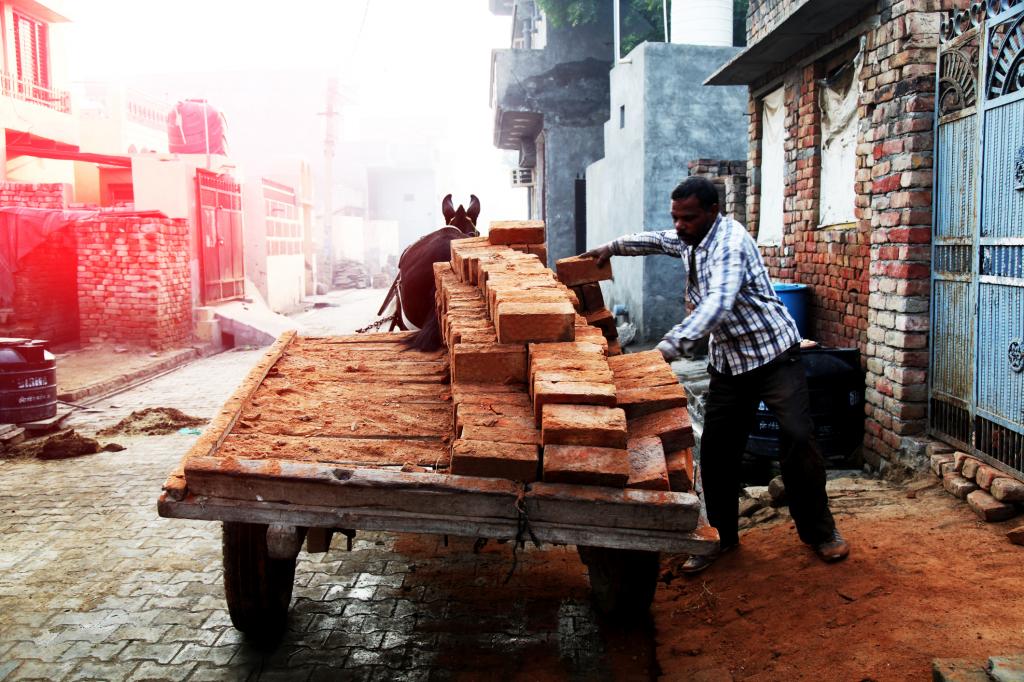
April 23 Down to Earth - Out of a global workforce of 3.4 billion, over 2.4 billion workers are likely to be exposed to excessive heat at some point during their work. Read more
-
What is Labour Force Participation Rate (LFPR) ? श्रम बल भागीदारी दर (एलएफपीआर)
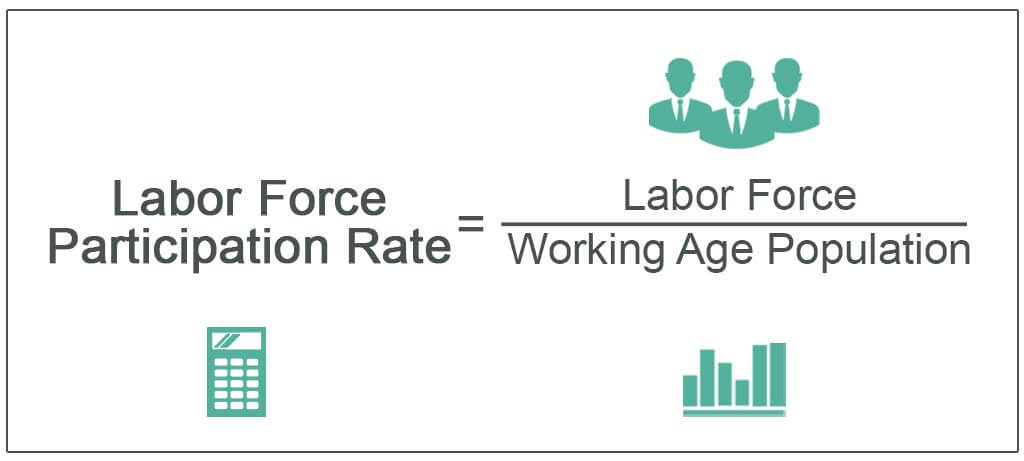
March 23 Labour Force Participation Rate (LFPR) essentially, is the percentage of working-age (15 years or older) population that is asking for a job. श्रम बल भागीदारी दर (एलएफपीआर) अनिवार्य रूप से कामकाजी आयु (15 वर्ष या उससे अधिक) की आबादी का प्रतिशत है जो नौकरी मांग रही है। It represents the number of people in the labour force as a percentage of the...
Comments
Write Comment