International
USA leaves WHO: Who will suffer?
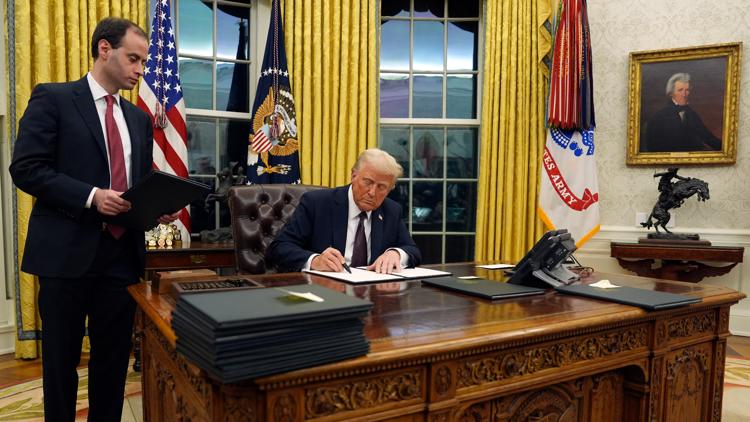
President Donald Trump has decided to to withdraw the United States from the World Health Organization (WHO) and will leave the United Nations health agency in January 2026 as well as stop all financial contributions to its work. US has been the founding member of the WHO in 1948.
He accused the WHO of mishandling the COVID-19 pandemic, and of being partisan towards China, where as WHO obtained most of it's funds from US. Trump says that the US contributes about 18 percent of the organisation’s funding, which is about $261m between 2024 and 2025. Where as China being four times as populous as that of US contributes only $181m.
But If USA leaves WHO, what impact would it have?
Withdrawal of US means withdrawl of funds with WHO will seriously impact health programmes being implemented across the world, including interventions for HIV/AIDS, tuberculosis and the eradication of certain infectious diseases. From HIV to diabetes, from reducing smoking rates to improving workplace health and safety, WHO guidelines have been extremely useful for nations around the globe, including the US. But now all of this would be impacted.
The WHO plays a key role in global vaccine supply. It's efforts have to the Polio on the brink of eradication. The US has contributed nearly $56 million to the WHO’s global efforts to eradicate Polio this past year. WHO is also involved in ensuring equity of access to life-saving drugs for people across the world, building stronger health systems, detecting and preventing disease outbreaks. For example, In 2024, Mpox was reclassified as a Public Health Emergency of International Concern (PHEIC) by the WHO, and the U.S. has provided crucial funding to support the delivery of vaccines and capacities to respond to outbreaks and prevent them from spreading.
Although, US withdrawl impacts WHO and the world but US would also face some challenges. The global health does not operate isolately , and physical boundaries can keep pathogens out of one’s own geography. Any virus found in any country may spread in all other countries if not countered. US must take lessons from the COVID-19 pandemic. It is that no one is safe until everyone is safe and that collaboration among nations, and open sharing of data and technology are essential to tackle pandemics.
About author

Zinkpot — We Inform, You Perform.
Ask Anything, Know Better
अपना प्रश्न पूछें
Comments
Write Comment