India's strategic efforts to reduce its heavy dependence on China for rare earth elements, which are vital for manufacturing electric vehicles (EVs), wind turbines, electronics, and other clean energy technologies.

Ask Anything, Know Better
November 05 Background The G2 is a simple idea in world politics. It stands for "Group of Two." It means the United States (US) and China working together as the two biggest powers on Earth. They could team up to solve big global problems like climate change, trade, or wars. But it's not an official group like the United Nations. It's just a way to think about how these two countries can shape the world. The History of the G2 Idea The G2 idea started around 2009. Back then, the world was facing a big money crisis....
November 02
November 02
October 24 China’s Big Shift China's top leaders have made a big promise in their new five-year plan for 2026 to 2030. They want to create a strong, modern industrial system and become more self-reliant in technology. This means China aims to make its own high-tech stuff without needing much help from other countries, especially as tensions with the US grow. The plan was shared after a key meeting of the Communist Party. But what does this really mean, and what might China look like by 2030? China’s...
October 22
October 22
October 13 What is? China's Digital Silk Road (DSR) is like a big tech highway that connects countries around the world. It's part of China's larger plan called the Belt and Road Initiative (BRI), which started in 2013 to build roads, ports, and other things between countries. The DSR focuses on digital stuff, like internet cables, 5G networks, AI, and smart cities. It was officially launched in 2015, and by 2025, it's celebrating its 10th birthday. China wants to help other countries build better tech systems while also...
October 11 Context In a major shift in its foreign policy, India has announced it will upgrade its presence in Afghanistan by turning its "technical mission" in Kabul into a full embassy. This move comes after a high-level visit by Taliban Foreign Minister Amir Khan Muttaqi to New Delhi—the first such trip by a senior Taliban leader since they took power in 2021. While India hasn't officially said it "recognizes" the Taliban government yet, experts call this a clear sign of closer...

August 20 WHAT? A currency swap involves two parties exchanging a specified amount of one currency for another at an agreed exchange rate, with a commitment to reverse the transaction at a future date, often at the same rate plus interest. Currency swap agreements are financial arrangements between two central banks or monetary authorities to exchange their respective currencies up to a pre-agreed amount, typically to provide liquidity, stabilize exchange rates, or support trade and investment. Swaps are typically short-term...
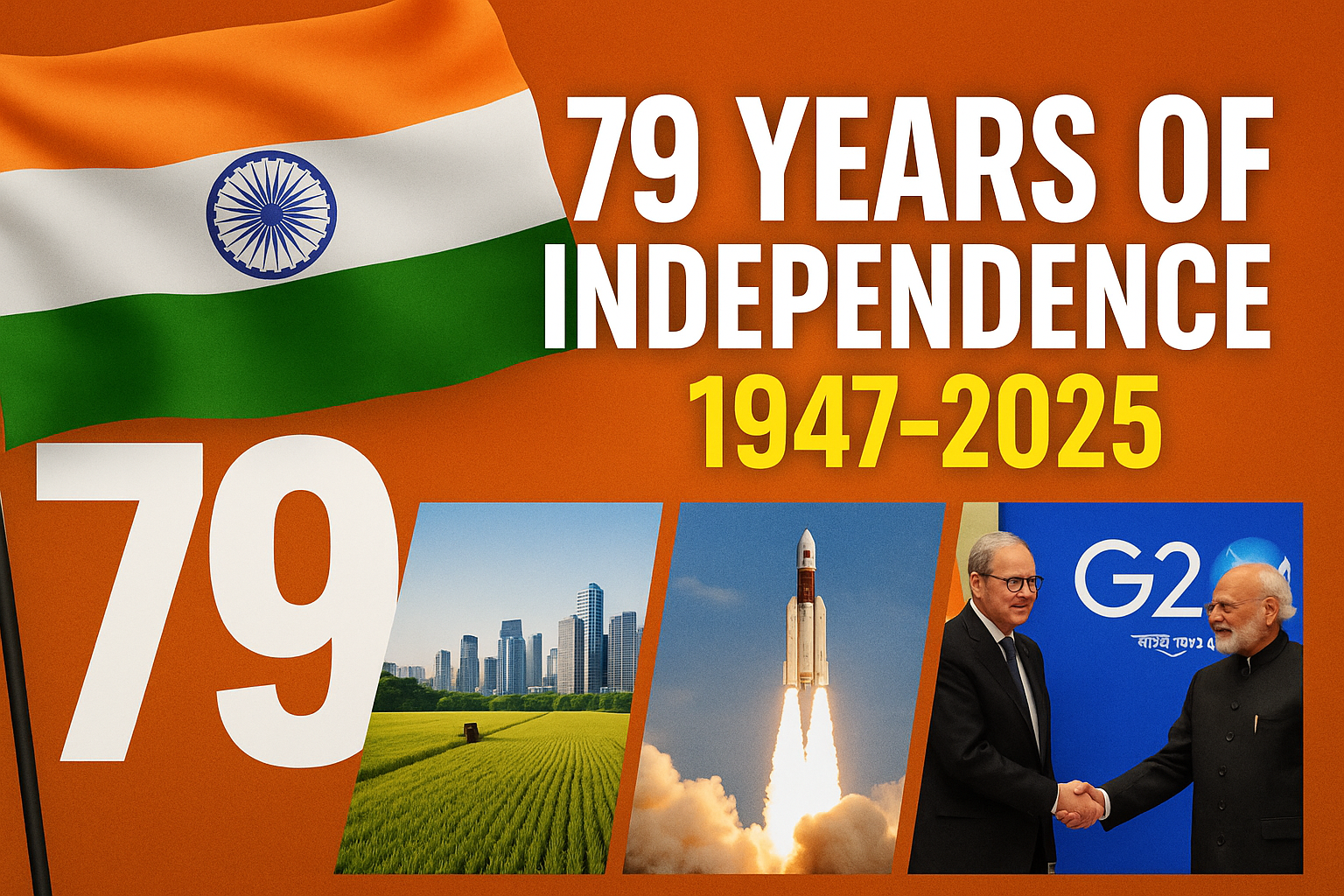
August 15 CONTEXT India gained independence from British rule on August 15, 1947, marking the beginning of a transformative journey from a colonized nation grappling with poverty, partition trauma, and economic fragility to a global powerhouse. Over the past 79 years (up to August 2025), India has made remarkable strides across multiple sectors, overcoming challenges like famines, wars, and internal conflicts while building a vibrant democracy. Key milestones include economic growth, scientific advancements, social...

Comments
Write Comment