The article from Business Standard reports on global millionaire migration trends for 2025, based on the Henley Private Wealth Migration Report 2025.
The UAE’s attractiveness stems from its tax-free environment, robust infrastructure, and welcoming immigration policies. Globally, HNWIs are increasingly seeking flexible arrangements across multiple countries, driven by investment migration programs like Portugal’s Golden Residence Permit, Caribbean options (e.g., Grenada, Antigua and Barbuda), and New Zealand’s Active Investor Plus Visa. A 64% increase in applications for such programs was reported in Q1 2025 compared to Q1 2024.

Ask Anything, Know Better
July 10
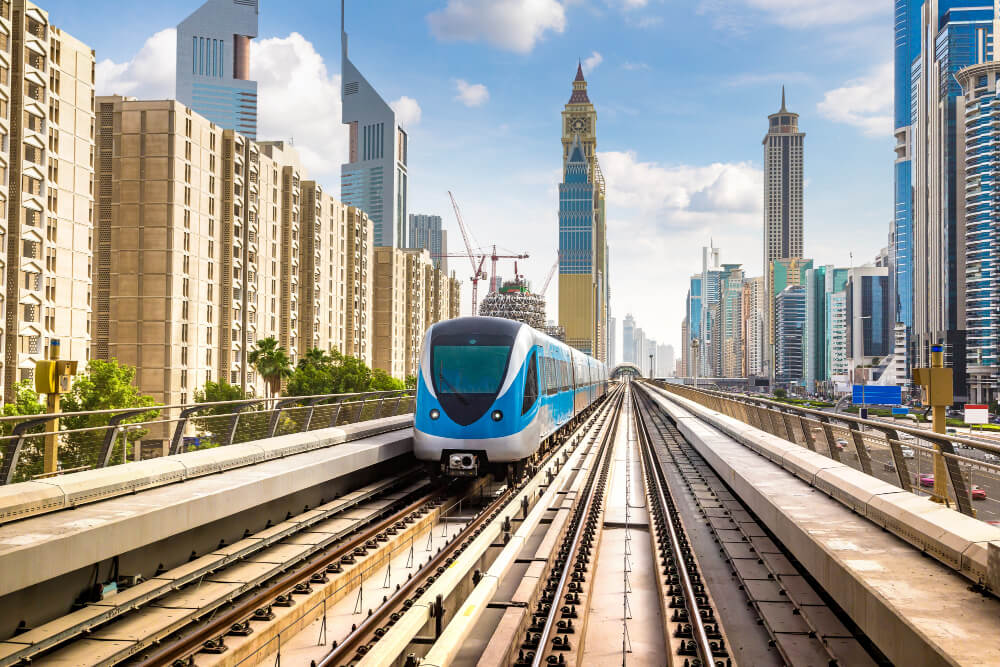
April 19 HOW DUBAI IS IMAGINED? We often think of luxurious homes, beautiful skylines, and extravagant lifestyles, whenever we hear about the city Dubai of the UAE! This global city has been attracting wealthy persons from across the world. Dubai is presently one of the most affordable luxury destinations in the world in comparison to many of its counterparts, including Hong Kong, Singapore, etc. During the covid pandemic, the way Dubai administration handled the situation has further increased interest in the Dubai...
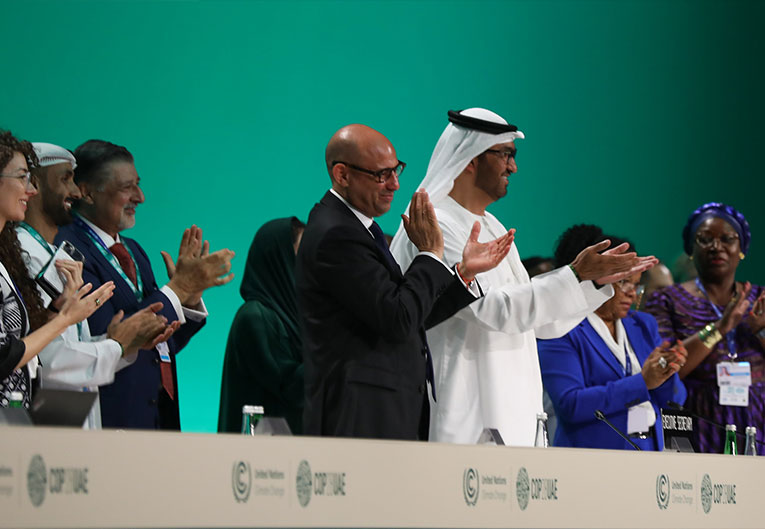
December 15 The world’s biggest climate meeting, COP28, the 28th Conference of the Parties, took place in Dubai and concluded with several key outcomes. Some of the main outcomes include: Transition away from fossil fuels: Nearly every country in the world agreed to transition away from fossil fuels, marking the first time such an agreement has been reached in 28 years of international climate negotiations. Loss and Damage Fund: A new agreement on the operationalization of a fund to pay for the loss and damage caused by climate...

Comments
Write Comment