India has shut down land routes for importing jute from Bangladesh, restricting entry to only the Nhava Sheva port in Maharashtra. This decision, effective immediately, aims to counter what India perceives as "unfair trade practices" by Bangladesh, particularly the dumping of subsidized jute products like yarn, fiber, and bags.

Ask Anything, Know Better
November 19
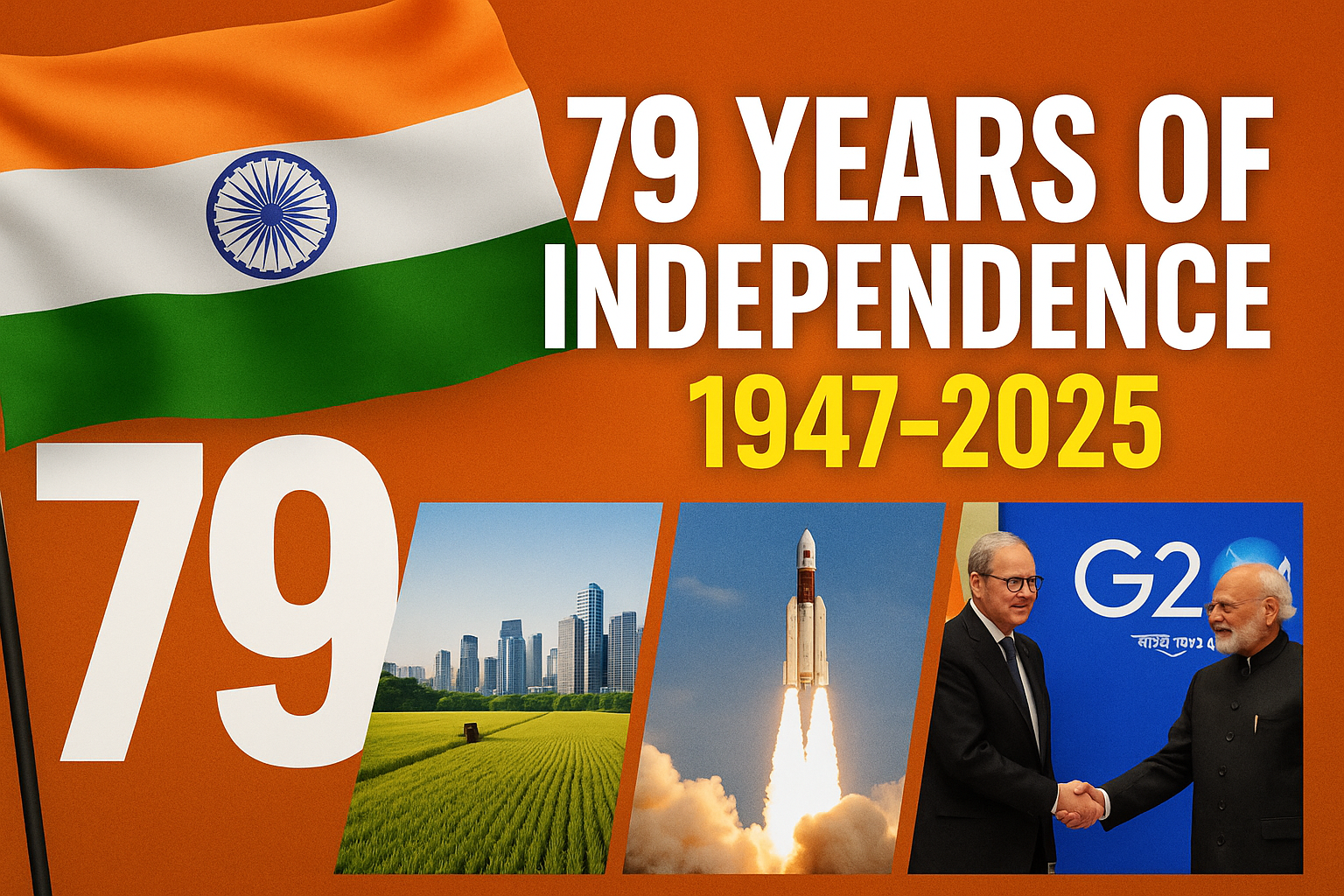
August 15 CONTEXT India gained independence from British rule on August 15, 1947, marking the beginning of a transformative journey from a colonized nation grappling with poverty, partition trauma, and economic fragility to a global powerhouse. Over the past 79 years (up to August 2025), India has made remarkable strides across multiple sectors, overcoming challenges like famines, wars, and internal conflicts while building a vibrant democracy. Key milestones include economic growth, scientific advancements, social...
June 29 WHAT? India has shut down land routes for importing jute from Bangladesh, restricting entry to only the Nhava Sheva port in Maharashtra. This move, effective immediately, is the latest in a series of trade restrictions aimed at countering what India perceives as "unfair trade practices" by Bangladesh, particularly the dumping of subsidized jute products like yarn, fiber, and bags. Key Details Background: Under the South Asian Free Trade Area (SAFTA), Bangladesh has enjoyed duty-free access to...
May 21
May 16
April 28
April 28
April 28
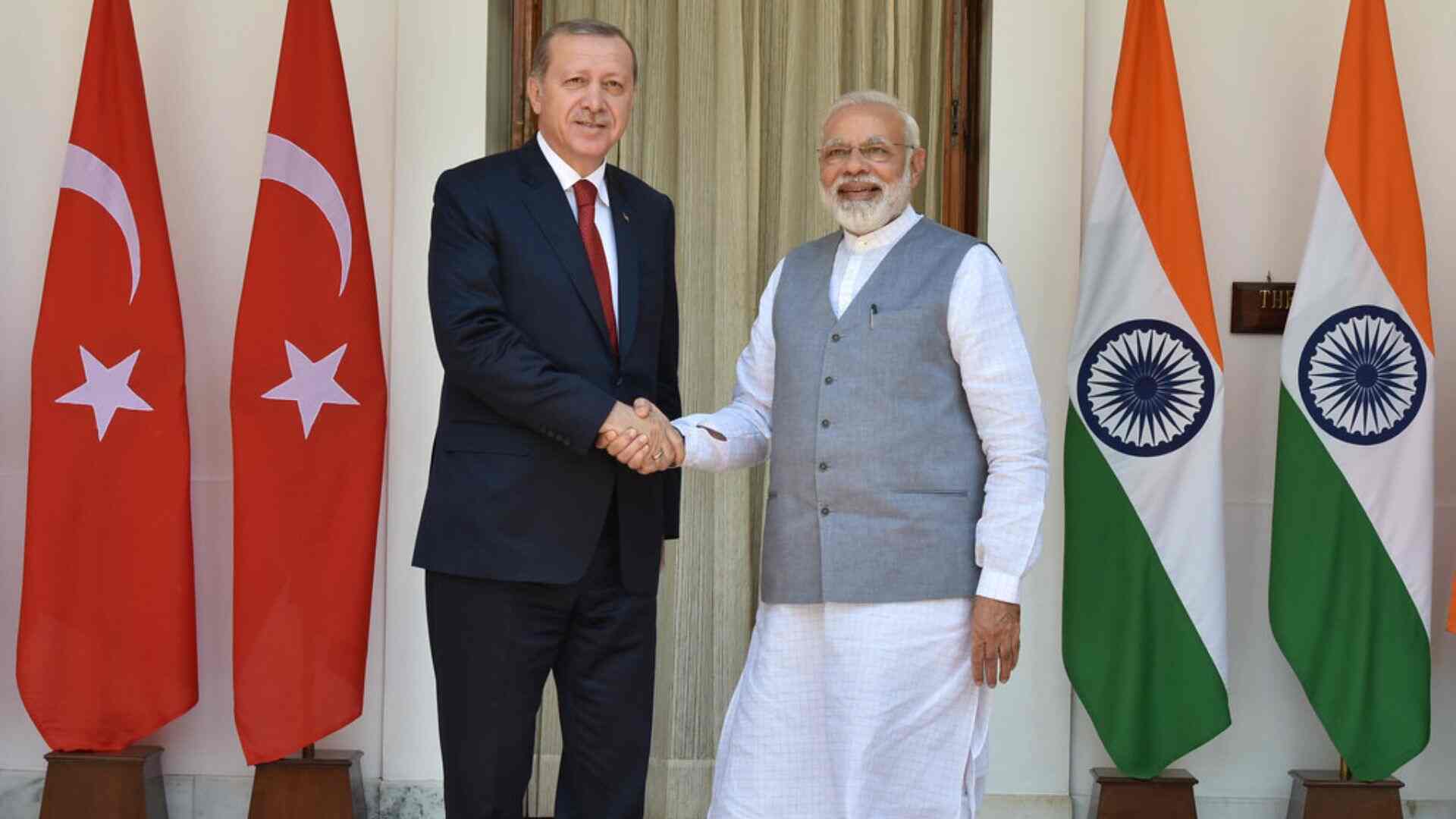
April 22 BACKGROUND Turkey’s relations with India have never been healthy and have further deteriorated in recent years due to the anti-India stand taken by Turkey on various areas like Kashmir where it supports Pakistan. There is a history of tensions between India and Turkey based on Religious and Political lines. TURKEY AND PAKISTAN Turkey & Pakistan were part of the anti-Communist military alliance. India & Turkey were on the opposite sides during cold war. India was inclined towards USSR and...
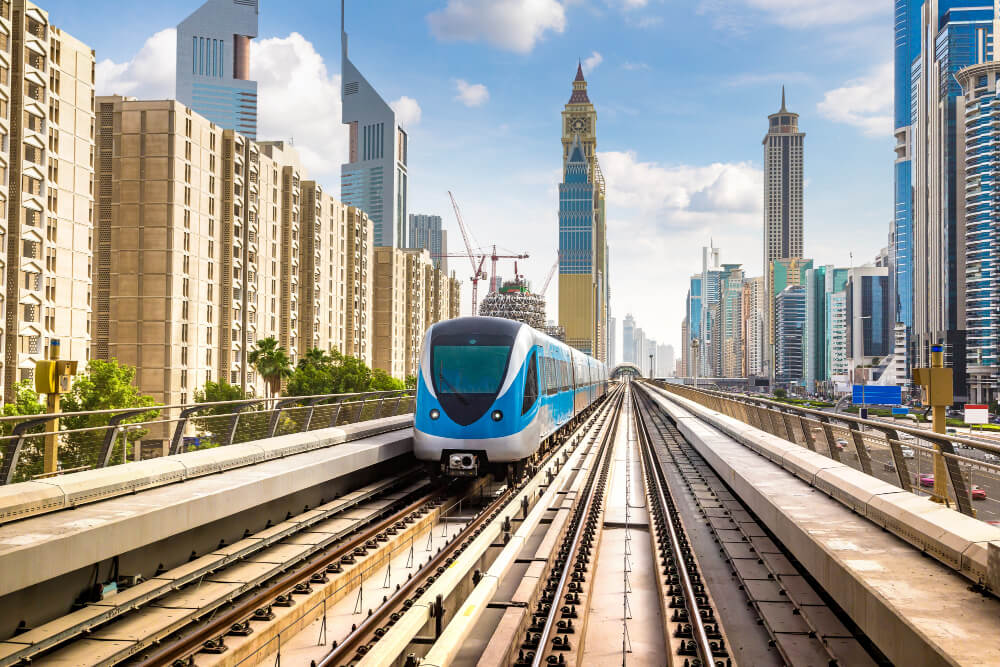
April 19 HOW DUBAI IS IMAGINED? We often think of luxurious homes, beautiful skylines, and extravagant lifestyles, whenever we hear about the city Dubai of the UAE! This global city has been attracting wealthy persons from across the world. Dubai is presently one of the most affordable luxury destinations in the world in comparison to many of its counterparts, including Hong Kong, Singapore, etc. During the covid pandemic, the way Dubai administration handled the situation has further increased interest in the Dubai...

Comments
Write Comment