
Banks like Bank of India, SBI and Canara Bank have classified the loan accounts of Reliance Communications (RCom) and it’s promoter Anil Ambani as fraud for a ₹3,000 crore loan fraud case involving SBI.
The fraud tag blacklists them across the banking system, severely restricting future borrowing and inviting further legal scrutiny. It could lead to asset seizures, penalties, or imprisonment if criminal charges are upheld.
A bank imposes a "fraud tag" on a loan defaulter not merely for defaulting on payments, but when there is evidence of intentional fraudulent activities or malpractices that violate laws or banking norms. This is distinct from a simple default (failure to repay) or even a "wilful default", where the borrower has the ability to pay but chooses not to.
Fraud classification typically involves criminal intent, such as cheating, forgery, or misappropriation, and is governed by regulatory frameworks like those from the Reserve Bank of India (RBI) in India, where this terminology is commonly used.
Fraud tags are not automatic; they require evidence from audits, early warning signals (EWS), or investigations, and banks must follow due process to avoid legal challenges.
Banks classify an account as fraud when:There is evidence of intentional wrongdoing, such as:
A fraud tag damages reputation, blocks future credit, triggers criminal probes, and may lead to asset seizures or arrests (if fraud is proven in court). It affects the entire group of companies/promoters.
Is the removal of the fraud tag possible? It is possible if the borrower repays fully, settles via compromise (with full payment within 3 months), or wins a legal challenge. For wilful defaults (related), the tag lifts if dues are cleared or the outstanding drops below ₹25 lakh. Fraud tags are harder to remove without disproving the allegations.

Ask Anything, Know Better
November 17 BUSINESS LINE : The Reserve Bank of India could consider approving bankers’ request to lower the provisioning requirement on stage-2 loans to 1-3 per cent from proposed 5 per cent under the draft expected credit loss (ECL) guidelines, sources say. ABOUT ECL? CLICK HERE ABOUT PROVISIONING? CLICK HERE NEWS LINK
October 09 What is ECL? The Expected Credit Loss (ECL) framework is a new rule from the Reserve Bank of India (RBI) for banks to handle bad loans better. It helps banks guess and set aside money for loans that might go wrong in the future. RBI put out a draft of these rules on October 7, 2025. This changes the old way where banks only saved money after a loan actually became bad. It's like planning ahead instead of reacting later. The new system starts from April 1, 2027, and banks have five years to fully adjust. Why...
July 02 WHAT? Gross Non-Performing Assets (Gross NPA) and Net Non-Performing Assets (Net NPA) are key indicators of the health of a bank's loan portfolio in India, reflecting the level of bad loans or assets that have stopped generating income. Gross NPA Banks extend loans to the borrowers and since these loans earns interest for the banks, they are considered Bank Assets. Banks expect a return on these assets like interest income. But if the borrower doesnt pay it's due principal or interest or both on...
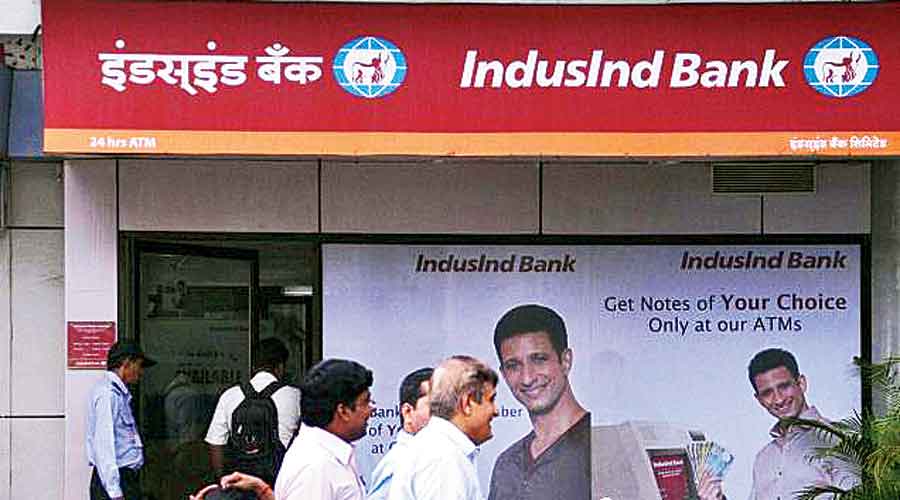
April 05 Business Standard Private sector lender IndusInd Bank disclosed on Friday that its retail and small business customer deposits declined by ₹3,550 crore during the quarter ending March 2025 (Q4FY25), dropping from ₹1.88 trillion to ₹1.85 trillion. click here to read the full news

December 06 WHAT? India Debt Resolution Company Limited (IDRCL) is a public limited Indian non-government company co-created under the pioneering initiative of the Government of India along with NARCL. Click here to know about NARCL Features India Debt Resolution Company Limited (IDRCL) is a service company or an operational entity that manages assets and engages market professionals and turnaround experts. It is mandated with the responsibility of unleashing potential value embedded in the large corporate...
Comments
Write Comment