

The Urban Challenge Fund (UCF) is a ₹1 lakh crore initiative announced in India's Union Budget 2025-26 to drive performance-based urban development and revitalization, particularly in Tier 2 and Tier 3 cities. It aims to address urban infrastructure gaps, encourage innovative reforms, and align with the vision of 'Viksit Bharat' (Developed India) by 2047, focusing on making cities more productive, sustainable, and financially self-reliant.
The fund targets three main themes to promote sustainable urbanization:
It encourages states and urban local bodies (ULBs) to propose "bankable" projects that demonstrate innovation and financial viability, with a emphasis on dispersed urban growth beyond major metros.

Ask Anything, Know Better

August 26 WHAT? The PM Dhan-Dhaanya Krishi Yojana (PMDDKY) is a newly approved six-year agricultural program (starting FY 2025-26) that converges 36 existing central schemes across 11 departments, along with state schemes, to enhance productivity and sustainability in 100 low-performing districts across India. The PM Dhan-Dhanya Krishi Yojana to strengthen small and marginal farmers. Its focus is on storage, irrigation, affordable loans, and sustainable farming. The government claims that this will increase farmers' income and...
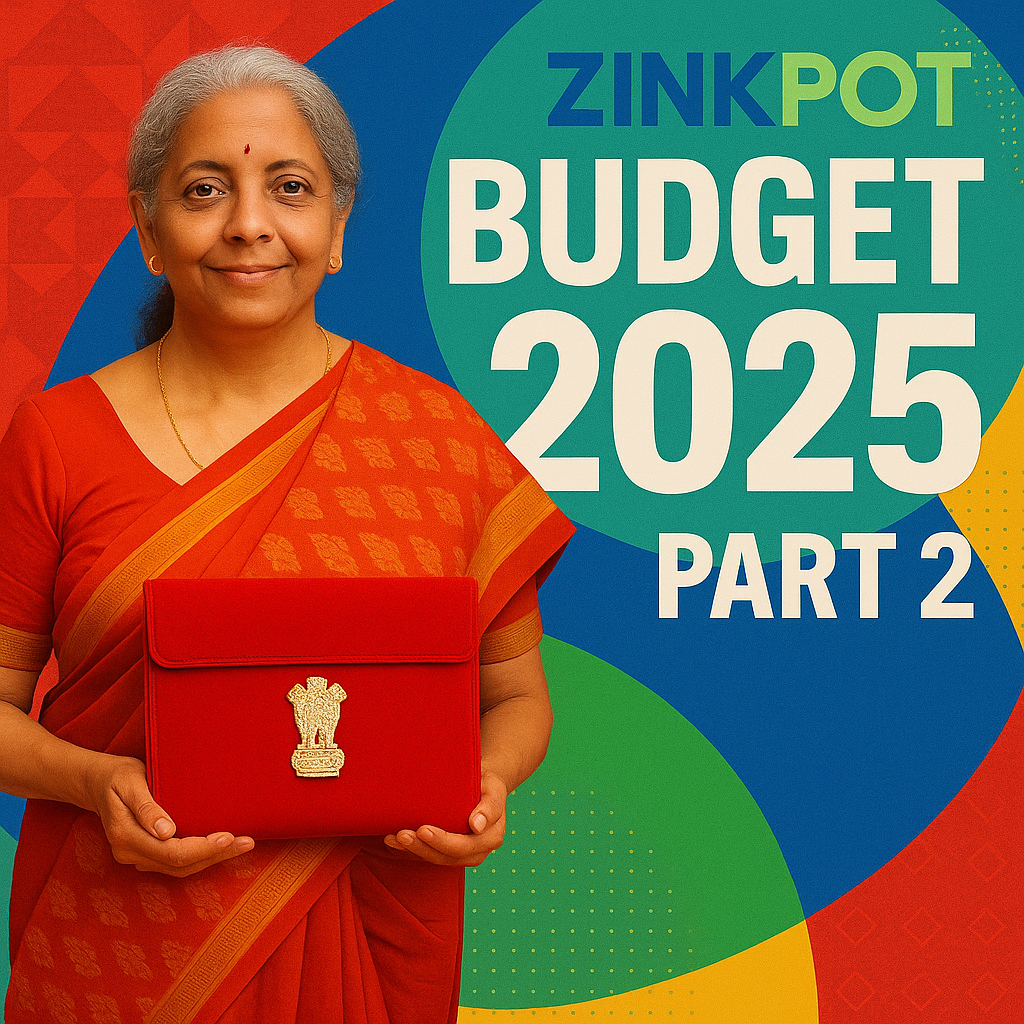
May 16 Investing in the Economy Public Private Partnership in Infrastructure : Infrastructure-related ministries to come up with a 3-year pipeline of projects in PPP mode, States also encouraged. Support to States for Infrastructure : An outlay of ₹1.5 lakh crore proposed for the 50-year interest free loans to states for capital expenditure and incentives for reforms. Asset Monetization Plan 2025-30 : Second Plan for 2025-30 to plough back capital of ₹ 10 lakh crore in new projects announced. Jal Jeevan Mission : Mission to...
Comments
Write Comment