
The PM Electric Drive Revolution in Innovative Vehicle Enhancement (PM E-DRIVE) Scheme, launched by the Government of India, is a flagship initiative to accelerate electric vehicle (EV) adoption, enhance charging infrastructure, and boost domestic EV manufacturing.
Approved by the Union Cabinet on September 11, 2024, and notified on September 29, 2024, the scheme has a total outlay of ₹10,900 crore and will be implemented from October 1, 2024, to March 31, 2026.
It replaces the FAME-II and Electric Mobility Promotion Scheme (EMPS) 2024, subsuming their incentives and addressing past issues like improper subsidy claims.
The PM E-DRIVE Scheme builds on FAME’s success (93% vehicle target achievement) but addresses past flaws like subsidy misuse by enforcing stricter compliance via PMP and COP tests. The focus on public transport and commercial vehicles is strategic, given India’s urban pollution and fuel import challenges. However, excluding e-cars may limit private adoption, and the halved subsidies in FY 2025-26 could dampen demand. The scheme’s success hinges on rapid charger deployment and state-level incentives to meet NITI Aayog’s ambitious 2030 targets.

Ask Anything, Know Better
July 23 WHAT? The Corporate Average Fuel Efficiency (CAFE) III Norms are the upcoming phase of India’s fuel efficiency regulations, set to take effect from April 1, 2027, aimed at reducing carbon dioxide (CO₂) emissions and improving fuel economy across passenger vehicles. These norms, administered by the Bureau of Energy Efficiency (BEE) under the Energy Conservation Act, 2001, apply to vehicles weighing less than 3,500 kg, including those powered by petrol, diesel, LPG, CNG, hybrids, and electric powertrains....
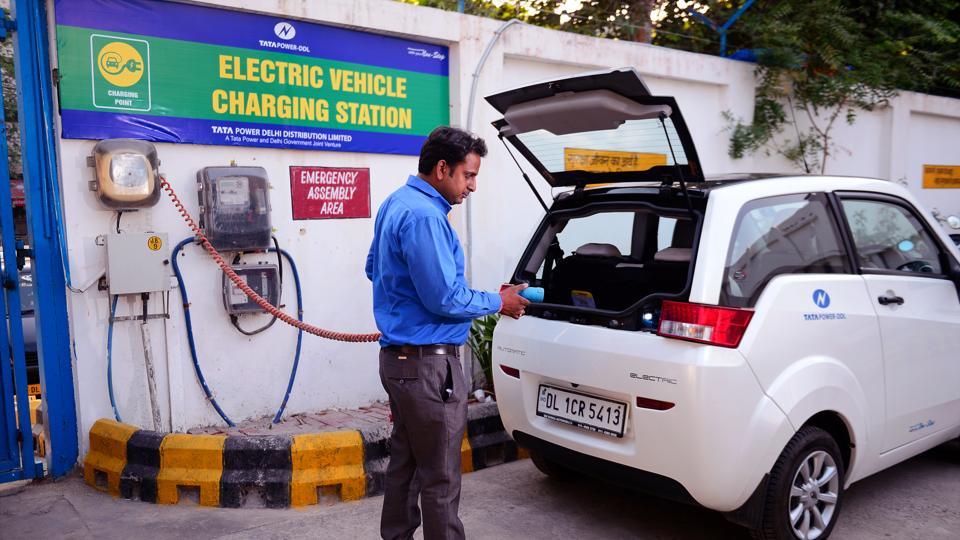
June 20 The Indian Government is pushing for its citizens to buy electric vehicles. But are they safe? You must have heard a lot many instances of electric cars catching fire in India. Electric vehicles typically catch fire because it’s Lithium-ion battery generates heat. Electric vehicles are even more dangerous to operate in India due to it’s climatic conditions as India has both high heat and humidity. Lithium-ion batteries tend to explode when they get overheated or when we use the wrong charger or current to...
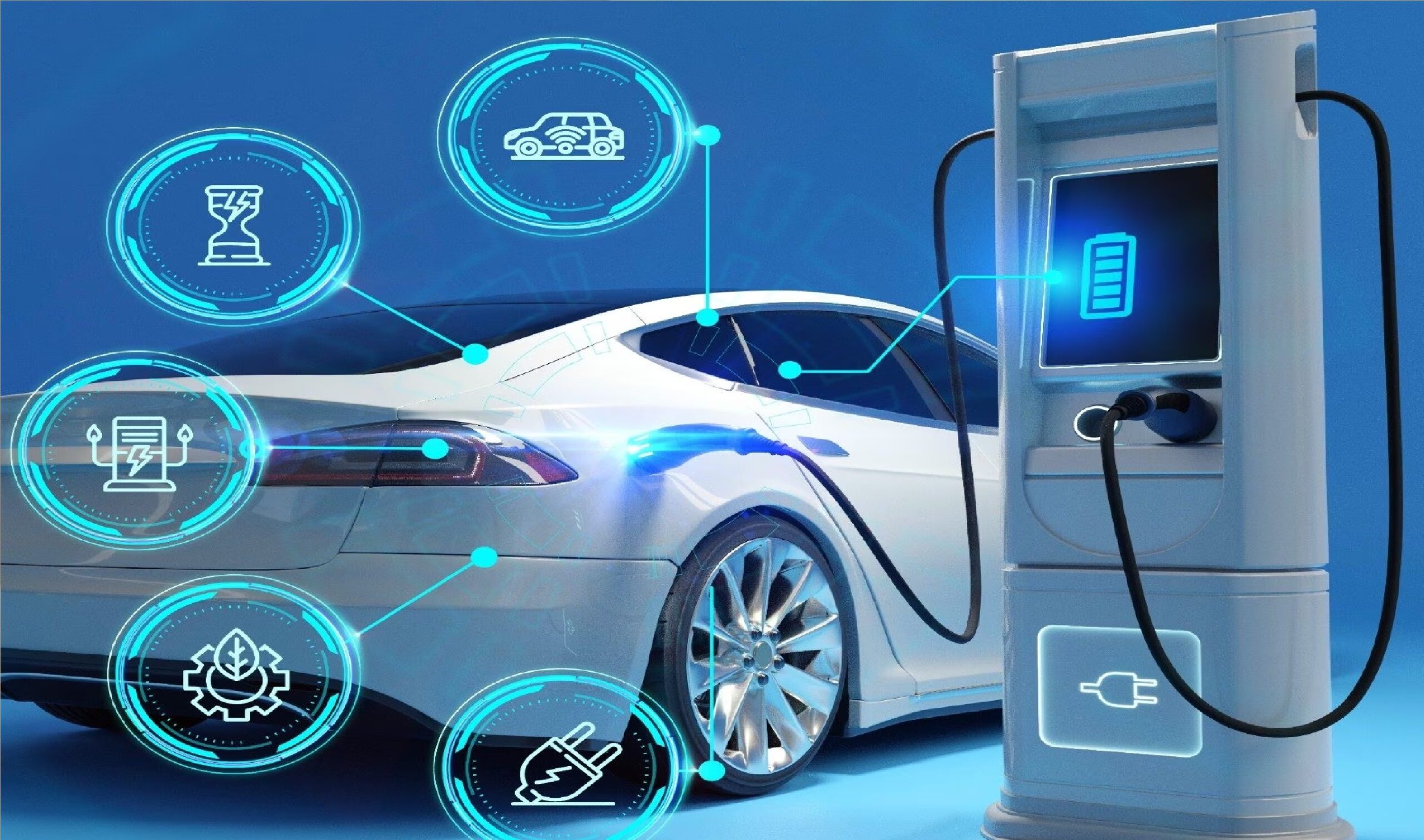
December 29 FAME (Faster Adoption and Manufacturing of Hybrid and Electric Vehicles) scheme is an initiative by the Indian government aimed at promoting the adoption of electric and hybrid vehicles in the country. The scheme was launched under the National Electric Mobility Mission Plan (NEMMP) in 2015. Key features and components of the FAME scheme include: Incentives for Electric Vehicles (EVs): The FAME scheme provides financial incentives to buyers of electric vehicles to make them more affordable. This includes...
Comments
Write Comment