The Corporate Average Fuel Efficiency (CAFE) III Norms are the upcoming phase of India’s fuel efficiency regulations, set to take effect from April 1, 2027, aimed at reducing carbon dioxide (CO₂) emissions and improving fuel economy across passenger vehicles.
These norms, administered by the Bureau of Energy Efficiency (BEE) under the Energy Conservation Act, 2001, apply to vehicles weighing less than 3,500 kg, including those powered by petrol, diesel, LPG, CNG, hybrids, and electric powertrains.

Ask Anything, Know Better
August 17 WHAT? The Global Plastics Treaty, officially known as the International Legally Binding Instrument on Plastic Pollution, is a United Nations-led initiative to address the global plastic pollution crisis through a comprehensive, legally binding agreement. Spearheaded by the United Nations Environment Programme (UNEP), the treaty aims to tackle plastic pollution across its entire lifecycle—from production and design to consumption, disposal, and remediation. It was initiated following the UN Environment Assembly...
July 13 WHAT? The PM Electric Drive Revolution in Innovative Vehicle Enhancement (PM E-DRIVE) Scheme, launched by the Government of India, is a flagship initiative to accelerate electric vehicle (EV) adoption, enhance charging infrastructure, and boost domestic EV manufacturing. Approved by the Union Cabinet on September 11, 2024, and notified on September 29, 2024, the scheme has a total outlay of ₹10,900 crore and will be implemented from October 1, 2024, to March 31, 2026. It replaces the FAME-II and...
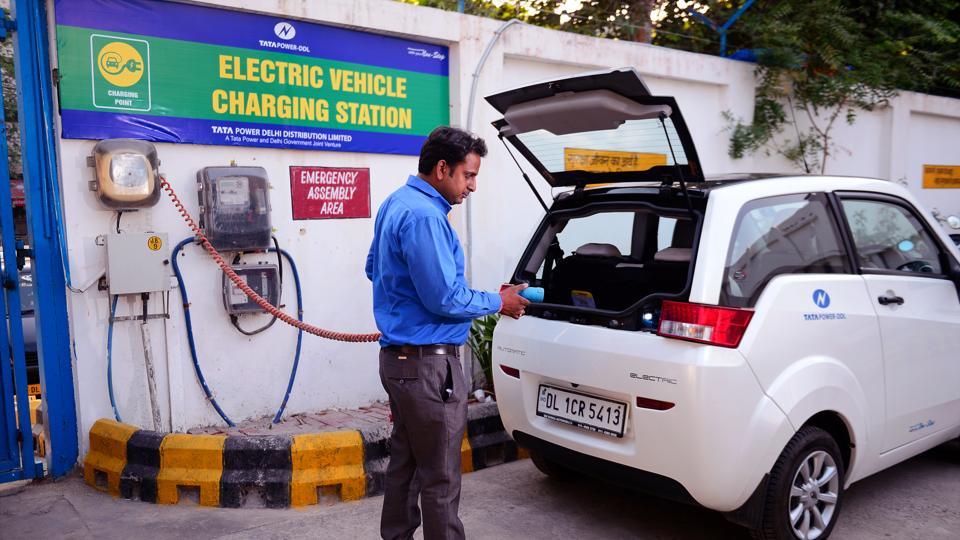
June 20 The Indian Government is pushing for its citizens to buy electric vehicles. But are they safe? You must have heard a lot many instances of electric cars catching fire in India. Electric vehicles typically catch fire because it’s Lithium-ion battery generates heat. Electric vehicles are even more dangerous to operate in India due to it’s climatic conditions as India has both high heat and humidity. Lithium-ion batteries tend to explode when they get overheated or when we use the wrong charger or current to...
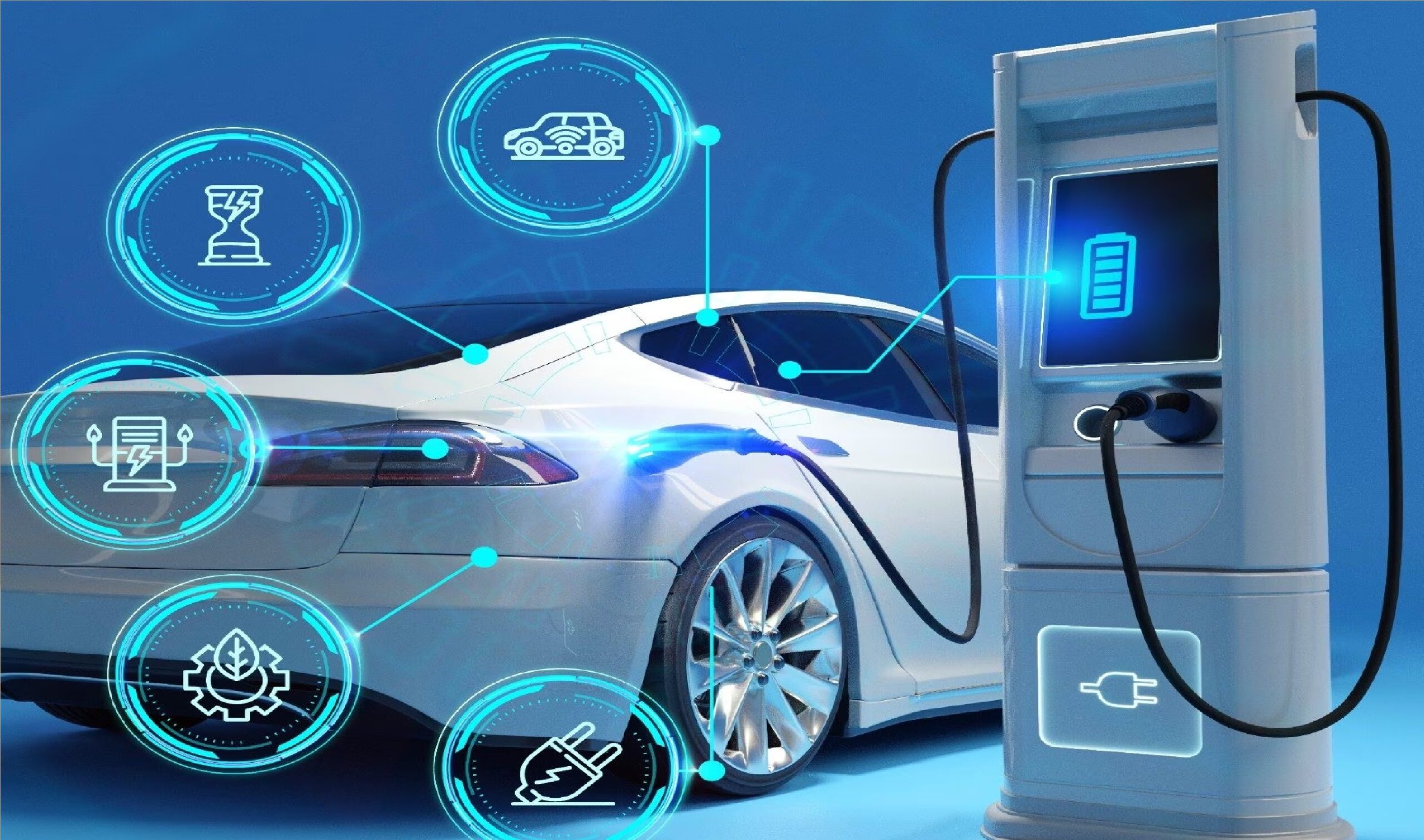
December 29 FAME (Faster Adoption and Manufacturing of Hybrid and Electric Vehicles) scheme is an initiative by the Indian government aimed at promoting the adoption of electric and hybrid vehicles in the country. The scheme was launched under the National Electric Mobility Mission Plan (NEMMP) in 2015. Key features and components of the FAME scheme include: Incentives for Electric Vehicles (EVs): The FAME scheme provides financial incentives to buyers of electric vehicles to make them more affordable. This includes...
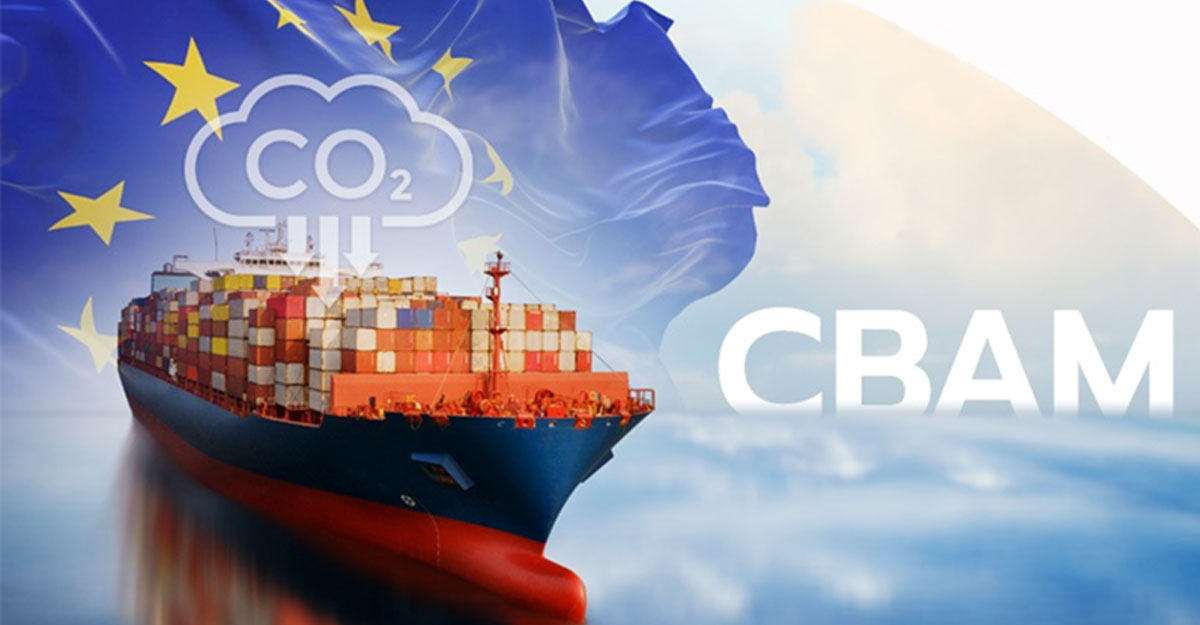
December 22 The Carbon Border Adjustment Mechanism (CBAM) is a carbon tariff by the European Union (EU) on carbon intensive products, such as steel, cement and some electricity, imported to the European Union countries. The European Union has announced that its Carbon Border Adjustment Mechanism (CBAM) will be introduced on imports of products made from the processes which are not Environmentally sustainable or non-Green. The primary purpose of the Carbon Border Adjustment Mechanism (CBAM) is to address...

Comments
Write Comment