PM SHRI School Scheme — full form Prime Minister Schools for Rising India — is a government initiative launched in 2022 by the Government of India.
The PM SHRI School Scheme is a big plan by the Indian government to make schools better. It helps students learn in fun and modern ways.Under this scheme, more than 14,500 schools across India will be developed as PM SHRI Schools. These schools will serve as model schools, setting benchmarks for other government schools to follow.
Objectives of the Scheme
Funding:
Benefits:
Progress and Challenges
By 2025, over 13,000 schools are approved, including many in Uttar Pradesh, Andhra Pradesh, and Bihar. Enrollment has gone up in many schools, like 75% in some places.
But there are issues. Some states like Kerala and Tamil Nadu did not join at first because they worried about too much control from the center or changes to education. The government stopped other funds until they agreed. Kerala signed in October 2025 to get money back. This shows fights between center and states on education.
Conclusion
The PM SHRI Scheme is a great step to make Indian schools world-class. It focuses on fun learning, skills, and equality. If done well, it can help millions of kids build a bright future for India. this scheme will make government schools more modern, smart, and future-ready, improving both education quality and student learning experience across India.

Ask Anything, Know Better
November 05 Backgrond India is celebrating a big win in education! In the latest QS Asia University Rankings 2026, five Indian Institutes of Technology (IITs), the Indian Institute of Science (IISc), and Delhi University (DU) have made it into the top 100 universities in Asia. This shows how India's higher education is getting stronger and more recognized worldwide. In this article, we'll explain what these rankings are, India's performance, the top Indian schools, why this matters, and more! What Are the QS Asia University...
October 30 Overview The Samagra Shiksha Abhiyan is a big government program in India to improve school education for all children. It helps make schools better, from play school to Class 12. All government schools, from anganwadis (pre-schools) to senior secondary schools, can get help under this scheme. It covers rural and urban areas, including special focus on backward districts, tribal regions, and places with many poor families.States prepare yearly plans based on their needs, like more schools in villages or extra teachers in cities. The central...
September 15 ULLAS Programme The ULLAS (Understanding of Lifelong Learning for All in Society) programme, also known as the New India Literacy Programme (Nav Bharat Saaksharta Karyakram or NILP), is a centrally sponsored initiative by the Government of India under the Ministry of Education. Launched in April 2022, it aligns with the National Education Policy (NEP) 2020 and aims to promote lifelong learning, bridge literacy gaps, and empower non-literate adults aged 15 and above with foundational literacy, numeracy, and critical life...
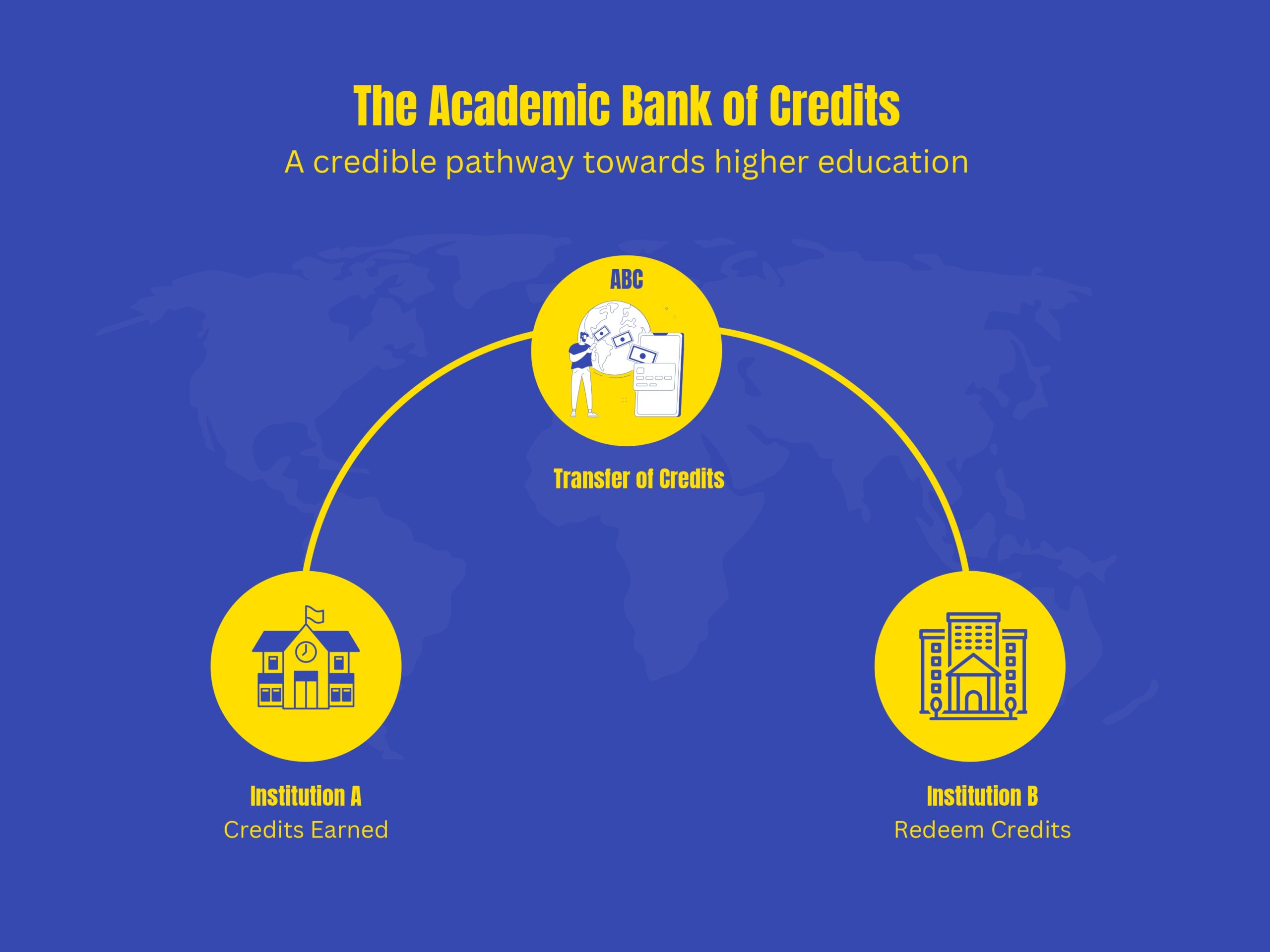
March 11 CONCEPT The Academic Bank of Credit (ABC) is a digital repository established by the University Grants Commission (UGC) under India's National Education Policy (NEP) 2020. It facilitates the storage and transfer of academic credits earned by students across various higher education institutions (HEIs), promoting flexibility and interdisciplinary learning. Over 2 crore students have registered on the ABC platform, marking substantial progress in its adoption. KEY FEATURES of the ABC...

Comments
Write Comment