The Design Linked Incentive (DLI) Scheme is a program by the Indian government to help grow the country's semiconductor design industry.
Semiconductors are tiny chips used in electronics like phones, computers, and cars. India wants to become a leader in designing these chips instead of just buying them from other countries.
The scheme gives money and tools to Indian companies, startups, and small businesses (MSMEs) that work on chip designs. It started in December 2021 and is run by the Ministry of Electronics and Information Technology (MeitY). The goal is to make India self-reliant in technology and create jobs.
There are many reasons such as
The Design Linked Incentive (DLI) Scheme covers several areas of semiconductor design to help Indian companies grow in this field. It supports the creation of:
The scheme has three main parts:
Who Can Apply?
To apply for the DLI Scheme, your company must be Indian-owned, meaning more than 50% of it should belong to Indian citizens or residents. This includes domestic companies, startups recognized by the Department for Promotion of Industry and Internal Trade (DPIIT), and MSMEs (Micro, Small, and Medium Enterprises) as per government rules. Your company must be working on semiconductor design projects, and it must remain Indian-owned for at least three years after receiving the incentive.
To get financial support under the scheme, companies also need to meet minimum sales targets — ₹1 crore per year for startups and MSMEs, and ₹5 crore per year for larger companies. Eligible expenses include salaries (up to 50% of the total limit), costs for equipment, software, testing, and production — but only if these expenses happen after your application has been officially accepted.
The DLI Scheme provides two main types of support — financial help and infrastructure support.
Recent Updates
As of August 2025, the government has approved 23 chip design projects under DLI. These are mostly from startups and MSMEs, focusing on things like surveillance cameras, energy meters, and networking chips. Also, 72 companies now have access to advanced design tools. One example is Vervesemi Microelectronics, which is making chips for motors, electric vehicles, space tech, and smart meters. Their products will start production in 2026-2027. This is part of a bigger ₹76,000 crore (about US$8.67 billion) program to boost India's semiconductor industry.
The scheme helps reduce India's dependence on imported chips, which saves money and makes the country more secure. It creates high-tech jobs, encourages innovation in areas like defense, space, and energy, and aims to put "Made in India" chips in devices worldwide. By supporting startups, it builds a strong future for India's tech sector.In short, DLI is a smart way for India to join the global chip race.

Ask Anything, Know Better
November 05 Introduction India's government is making it easier for small businesses to join a program that boosts steel production. On November 4, 2025, Union Steel Minister H D Kumaraswamy launched the third round of the Production Linked Incentive (PLI) scheme for specialty steel. This round, called PLI 1.2, aims to attract big investments and help make India a world leader in high-quality steel. In this article, we'll explain what the scheme is, the new changes for MSMEs (Micro, Small, and Medium Enterprises), its details, benefits, and...
September 19
September 02 WHAT IS SEMICON? Semicon India 2025 is a premier international conference and exhibition focused on advancing India’s semiconductor ecosystem, held from September 2 to September 4, 2025, at the Yashobhoomi (India International Convention & Expo Centre) in Dwarka, New Delhi. Organized by the India Semiconductor Mission (ISM) under the Ministry of Electronics and Information Technology (MeitY) in partnership with SEMI (a global semiconductor industry association) and supported by industry bodies like the India...
July 04 WHAT? The Employment Linked Incentive (ELI) Scheme is a significant government initiative in India, announced in the Union Budget 2024-25, aimed at boosting formal job creation, enhancing employability, and expanding social security. Approved by the Union Cabinet on July 1, 2025, the scheme is part of a broader ₹2 lakh crore package targeting 4.1 crore youth over five years. With a specific outlay of ₹99,446 crore, it seeks to generate over 3.5 crore jobs, focusing on first-time employees and the manufacturing...
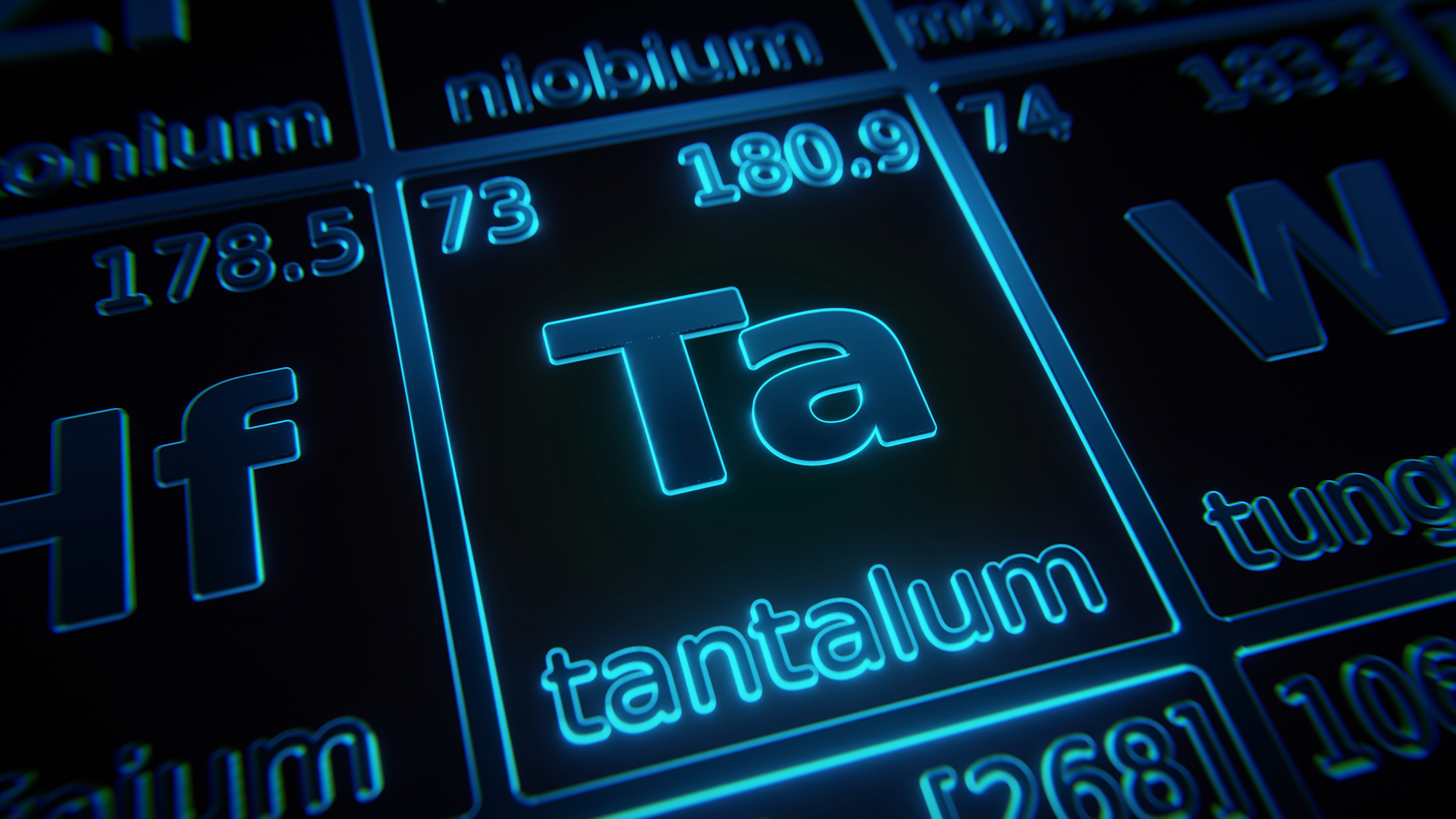
November 24 A team of researchers from the Indian Institute of Technology (IIT), Ropar has found the presence of tantalum, a rare metal, in the Sutlej river sand in Punjab. The discovery of this rare metal in the Sutlej River could help India become the global hub of the semiconductor and chip-making industry, as envisioned by Prime Minister Narendra Modi. Tantalum is a rare grey, heavy, very hard, and one of the most corrosion-resistant metals in use today. It possesses high corrosion resistance because when exposed to air, it forms an oxide...

November 20 The PLI scheme or Production Linked Incentive scheme is a scheme that intends to give companies cash incentives as they gradually increase their sales of products manufactured in domestic units from a given base year. The scheme was first introduced in March 2020. The scheme shall extend an incentive of 4% to 6% on incremental sales (over base year) of goods manufactured in India and covered under target segments, to eligible companies, for a period of five (5) years subsequent to the base year as...

Comments
Write Comment