India has shut down land routes for importing jute from Bangladesh, restricting entry to only the Nhava Sheva port in Maharashtra. This move, effective immediately, is the latest in a series of trade restrictions aimed at countering what India perceives as "unfair trade practices" by Bangladesh, particularly the dumping of subsidized jute products like yarn, fiber, and bags.

Ask Anything, Know Better
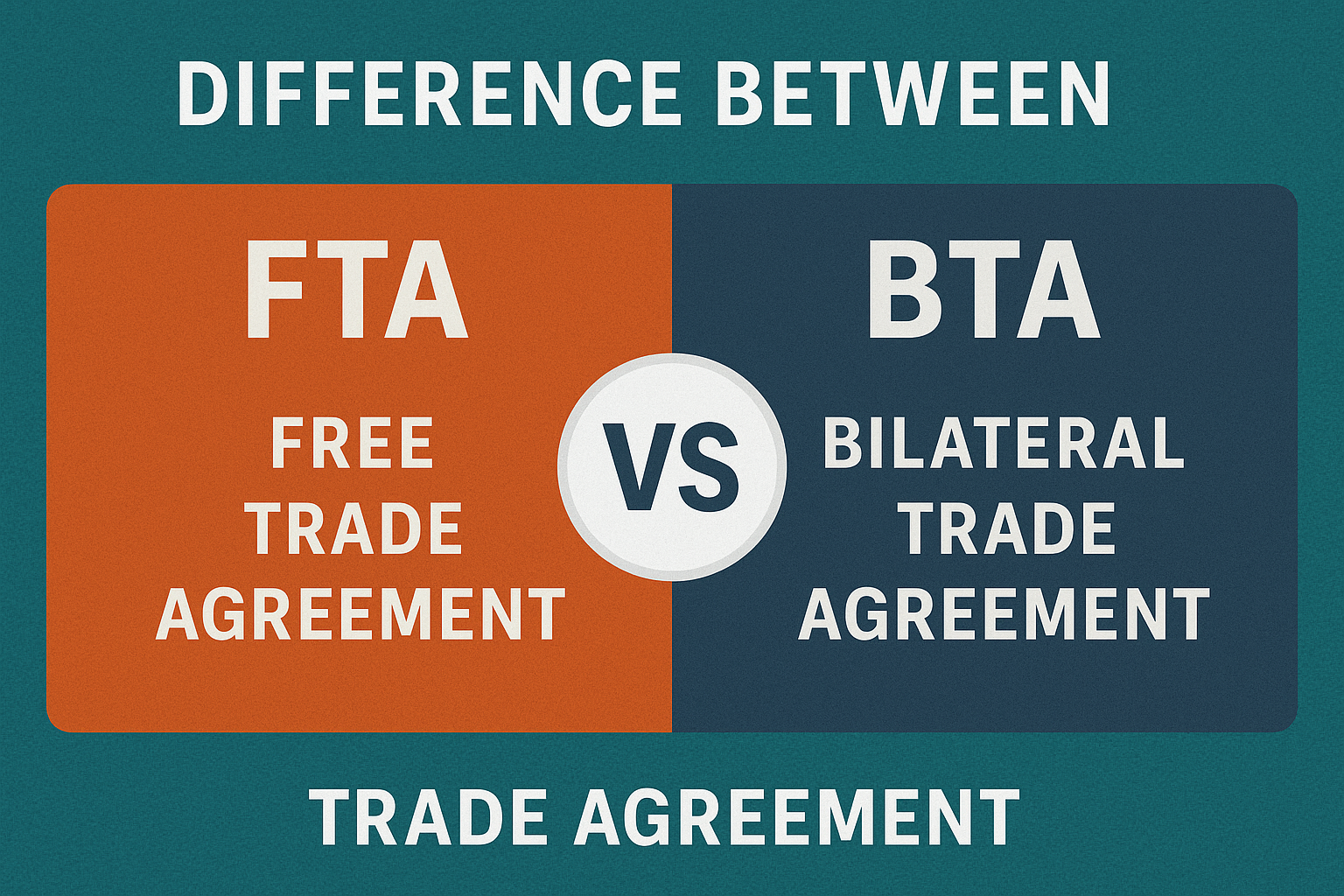
July 23 WHAT? The terms Free Trade Agreement (FTA) and Bilateral Trade Agreement (BTA) are often used in the context of international trade, but they have distinct meanings and implications. Below is a clear explanation of the differences based on their definitions, scope, and application. Free Trade Agreement (FTA) An FTA is a treaty between two or more countries to reduce or eliminate trade barriers, such as tariffs and quotas, to facilitate the free flow of goods and services. FTAs aim to create a free trade...
July 02 WHAT? India has shut down land routes for importing jute from Bangladesh, restricting entry to only the Nhava Sheva port in Maharashtra. This decision, effective immediately, aims to counter what India perceives as "unfair trade practices" by Bangladesh, particularly the dumping of subsidized jute products like yarn, fiber, and bags. Key Details Trade Context: Under the South Asian Free Trade Area (SAFTA), Bangladesh has enjoyed duty-free access to Indian markets for jute. However, Indian...

Comments
Write Comment