Context
In a major shift in its foreign policy, India has announced it will upgrade its presence in Afghanistan by turning its "technical mission" in Kabul into a full embassy.
This move comes after a high-level visit by Taliban Foreign Minister Amir Khan Muttaqi to New Delhi—the first such trip by a senior Taliban leader since they took power in 2021.
While India hasn't officially said it "recognizes" the Taliban government yet, experts call this a clear sign of closer ties.
Benefits for India
Risks
Full recognition might come soon if things go well, like if the Taliban forms an inclusive government or improves rights. For now, this embassy move is India's way of testing the waters.
In short, India's not fully hugging the Taliban yet, but they're shaking hands firmly. This could reshape South Asia's politics, bringing stability or new headaches. Stay tuned—diplomacy moves fast these days.

Ask Anything, Know Better

August 20 WHAT? A currency swap involves two parties exchanging a specified amount of one currency for another at an agreed exchange rate, with a commitment to reverse the transaction at a future date, often at the same rate plus interest. Currency swap agreements are financial arrangements between two central banks or monetary authorities to exchange their respective currencies up to a pre-agreed amount, typically to provide liquidity, stabilize exchange rates, or support trade and investment. Swaps are typically short-term...
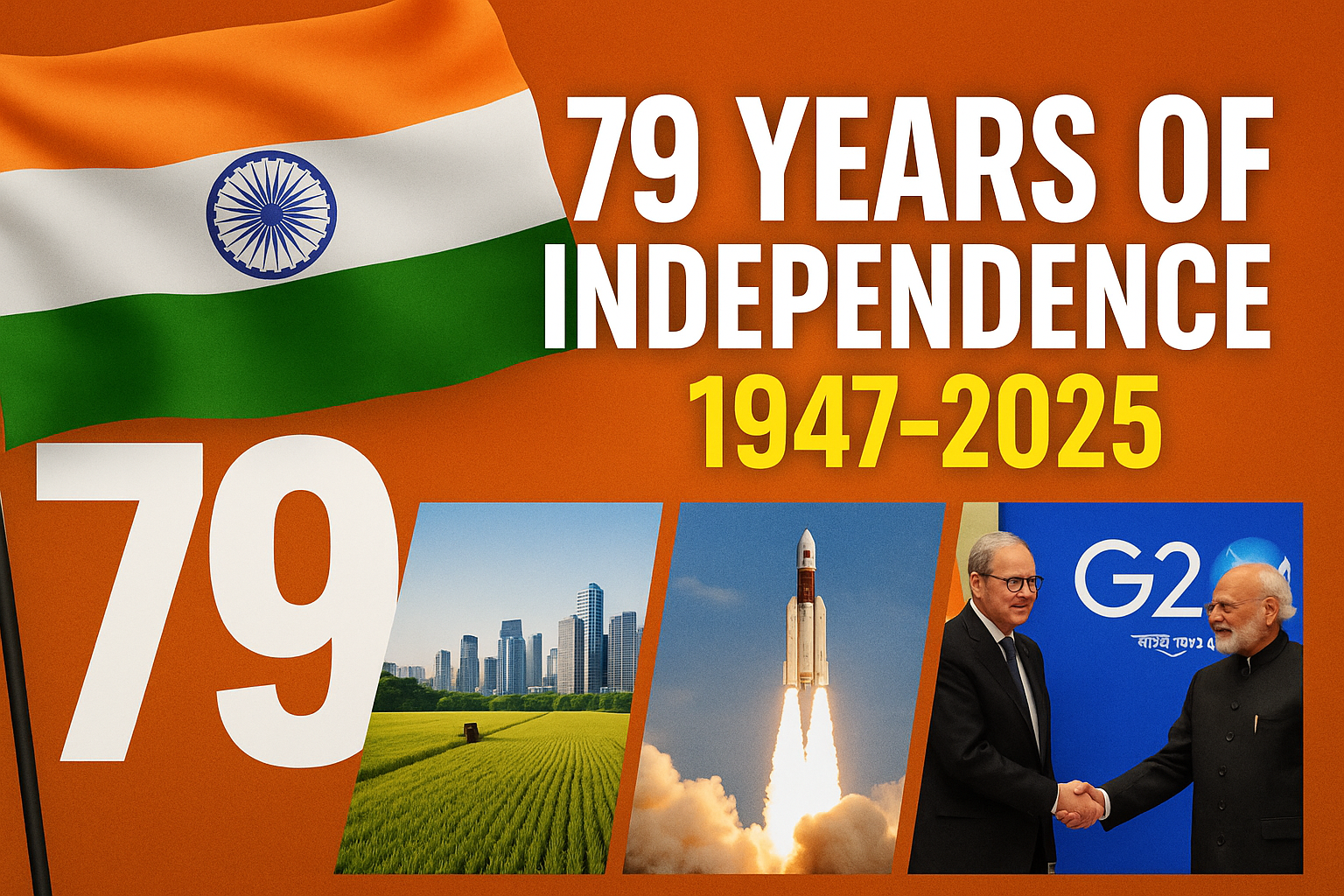
August 15 CONTEXT India gained independence from British rule on August 15, 1947, marking the beginning of a transformative journey from a colonized nation grappling with poverty, partition trauma, and economic fragility to a global powerhouse. Over the past 79 years (up to August 2025), India has made remarkable strides across multiple sectors, overcoming challenges like famines, wars, and internal conflicts while building a vibrant democracy. Key milestones include economic growth, scientific advancements, social...
June 24 SUMMARY India's strategic efforts to reduce its heavy dependence on China for rare earth elements, which are vital for manufacturing electric vehicles (EVs), wind turbines, electronics, and other clean energy technologies. Strategic Efforts Import Dependency and Sources: In FY25, India imported 3,020 tonnes of rare earth compounds, with China supplying 74% (2,232 tonnes), Japan 18% (554 tonnes), and Vietnam 7% (224 tonnes). This reliance on China, which dominates 85% of global rare earth...
June 20
June 11
June 03
June 02 SUMMARY Pakistan is confronting a significant threat to its kharif (summer) crop sowing season due to a sharp decline in water storage at its two primary dams—Mangla on the Jhelum River and Tarbela on the Indus River. This situation has been exacerbated by India's recent tightening of control over the Chenab River's water flow, following a terror attack in Pahalgam that was reportedly backed by Pakistan. Key Points Water Shortage: The Indus River System Authority (IRSA) of...
May 31
May 31 SUMMARY India has officially overtaken Japan to become the world's fourth-largest economy, marking a significant milestone in its economic ascent. Key Highlights GDP Milestone: India's nominal GDP has reached approximately $4.187 trillion for the fiscal year 2025–26, slightly surpassing Japan's $4.186 trillion, according to IMF projections. Rapid Growth: In the January–March 2025 quarter, India's economy grew by 7.4% year-on-year, exceeding expectations and...
May 26

Comments
Write Comment