CURRENT NEWS
Saudi Arabia ends Kafala system! What is this and it's importance for Indians?
CONTEXT?
Saudi Arabia has officially abolished its decades-old Kafala system, a major step in reforming labour laws and improving migrant workers’ rights. The move, announced in June 2025, marks one of the most sweeping changes in the Gulf’s labour structure and will directly impact nearly 13 million foreign workers, including 2.6 million Indians.
What Was the Kafala System?
The Kafala (sponsorship) system, introduced in the 1950s during the oil boom, made a local employer—called a Kafeel—legally responsible for a migrant’s visa, job, and residency.
This meant that a worker could not:
- Change jobs without the employer’s approval
- Leave the country without an exit permit
- File a legal complaint without the sponsor’s consent
Why Was It Controversial?
Over the years, it became a symbol of exploitation and control. Common abuses included:
- Passport confiscation
- Unpaid or delayed wages
- Restricted movement and communication
- Physical or emotional abuse, especially among domestic workers
- Human rights groups described it as a form of modern-day slavery, trapping millions in unfair working conditions.
Why Did Saudi Arabia End It Now?
The decision aligns with Crown Prince Mohammed bin Salman’s Vision 2030, a national plan to modernize the kingdom, diversify its economy, and attract global investment. It also follows international pressure—especially after Qatar reformed its labour laws before the 2022 FIFA World Cup.
What Changes Under the New System?
Under the new framework:
- Workers can switch jobs freely without needing employer permission.
- They can leave the country without exit visas.
- Labour disputes can be reported directly through new labour courts and digital complaint systems.
- All employment will be contract-based, ensuring greater transparency and accountability.
Impact on Indian Workers
Saudi Arabia’s decision to end the 70-year-old Kafala system in June 2025 is a historic moment for nearly 2.6 million Indian workers who live and work in the kingdom. This reform will reshape their rights, mobility, and living standards in profound ways.
Freedom of Movement and Job Change
Before: Indian workers could not change jobs without the employer’s written consent. If they tried, their visa could be cancelled or they could be deported.
Now:
- Workers can switch jobs freely once their contract period is over or after giving due notice. This means:
- No more “bonded” employment under one sponsor.
- Greater power to negotiate better pay or working conditions.
- A more competitive and merit-based labour market.
Impact: This will especially help skilled professionals, such as engineers, healthcare staff, and technicians, who earlier faced restrictions in switching to better opportunities.
End of Passport Confiscation and Exit Visa Rules
Before:
Employers (Kafeels) often confiscated passports, controlling a worker’s ability to travel or return home. Workers also needed an exit visa—permission to leave the country.
Now:
- The new system bans passport retention and abolishes exit visa requirements. Workers can leave Saudi Arabia without sponsor consent, ensuring:
- Greater personal freedom and dignity.
- Easier travel for family emergencies or vacations.
Impact: This will bring psychological relief and a sense of independence for thousands of Indian domestic workers, drivers, and construction workers.
Improved Access to Legal Protection
Before: Complaints about non-payment, abuse, or exploitation often went unheard, since workers couldn’t file them without sponsor permission.
Now:
- Workers can approach labour courts directly.
- Digital platforms are being created for anonymous reporting of abuse or wage theft.
- The Saudi Labour Ministry will now oversee contract enforcement rather than private sponsors.
Impact: This enhances legal safety, particularly for female domestic workers, who were previously among the most vulnerable.
Better Wages and Working Conditions
Freedom to change employers will create competition for skilled labour, forcing companies to offer:
- Fairer wages
- Timely payments
- Safer housing and health benefits
Impact: Over time, this can lead to income growth for Indian workers and reduction in exploitation in sectors like construction, cleaning, and hospitality.
Boost to Remittances to India
When workers earn better and face fewer wage delays, remittances to India (currently over $10 billion annually from Saudi Arabia) are expected to rise. This will strengthen the Indian economy, particularly in states like Kerala, Tamil Nadu, Telangana, and Uttar Pradesh, from where most migrants
India’s Ministry of External Affairs (MEA) welcomed the reform, saying it will significantly improve the rights and safety of Indian workers in Saudi Arabia’s construction, healthcare, hospitality, and domestic sectors.
Both countries are coordinating to ensure smooth transition and fair dispute resolution under the new labour laws.
After 70 years, Saudi Arabia’s abolition of the Kafala system signals a new era for migrant rights in the Gulf. It represents not just a legal reform, but a moral and economic shift toward fairness, freedom, and global standards of labour justice.
About author

Zinkpot — We Inform, You Perform.
Ask Anything, Know Better
अपना प्रश्न पूछें
-
SAUDI ENDS KAFALA SYSTEM! Big relief to workers?
October 24
-
Why are HOUTHIS a concern for Saudi Arab?
April 21
-
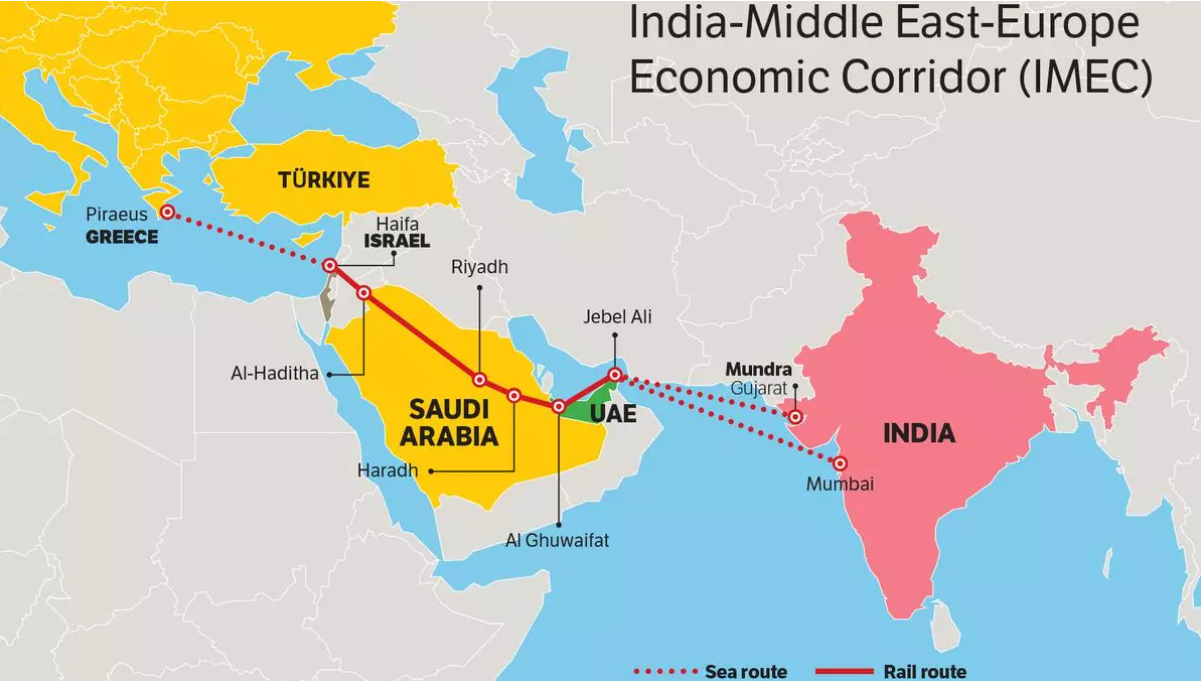
What is IMEEC and what are India's stake in it?
October 17 The India-Middle East-Europe Economic Corridor is an MoU signed between India, the US, Saudi Arabia, the European Union, the UAE, France, Germany, and Italy on the sidelines of the G20 summit 2023 in New Delhi. It is an infrastructure development project that aims to create connectivity through resilient shipping networks, energy cables, and gate links. It seeks to boost trade, clean energy, and economic growth while providing an alternative to China's Belt and Road Initiative. The project forms...
Comments
Write Comment