The Zero Defect Zero Effect (ZED) scheme is an Indian government program started in 2016 to help small and medium businesses (called MSMEs) make high-quality products without harming the environment. The name "Zero Defect" means products should have no mistakes or flaws, and "Zero Effect" means the manufacturing process should not pollute or damage nature, like reducing waste and using clean energy.
It was launched by the Ministry of Micro, Small and Medium Enterprises (MSME) and promoted by Prime Minister Narendra Modi to make Indian companies more competitive in the world market. The goal is to encourage better quality control, safety, and eco-friendly practices in factories.

Ask Anything, Know Better
October 08 What is the CHAMPIONS Portal? The CHAMPIONS Portal is an initiative by the Ministry of Micro, Small and Medium Enterprises (MSME) in India, designed to support and empower MSMEs across the country. Standing for "Creation and Harmonious Application of Modern Processes for Increasing the Output and National Strength," it serves as a one-stop platform for grievance resolution, advisory services, and access to government schemes. Purpose and Objectives Launched to make MSMEs more competitive and...
October 07 WHAT? Public procurement referes to how government ministries, departments, PSUs and other public bodies buy goods, services and works from private or public suppliers. A Public Procurement Policy sets rules, preferences, and procedures for such purchases to ensure transparency, competition, value for money, and support to priority sectors (like MSMEs or domestic manufacturing). In India it is shaped by a mix of policy documents, orders, and acts rather than one single “Procurement Law”. Main Policy...
September 12 WHAT? Micro, Small, and Medium Enterprises (MSMEs) form the backbone of India's economy, contributing significantly to employment generation, exports, and inclusive growth. They encompass a wide range of businesses, from tiny startups to medium-scale manufacturers and service providers. The sector is vital for fostering entrepreneurship, especially in rural and semi-urban areas, and supports the government's vision of "Aatmanirbhar Bharat" (Self-Reliant India). Governed primarily by the Ministry of Micro, Small...
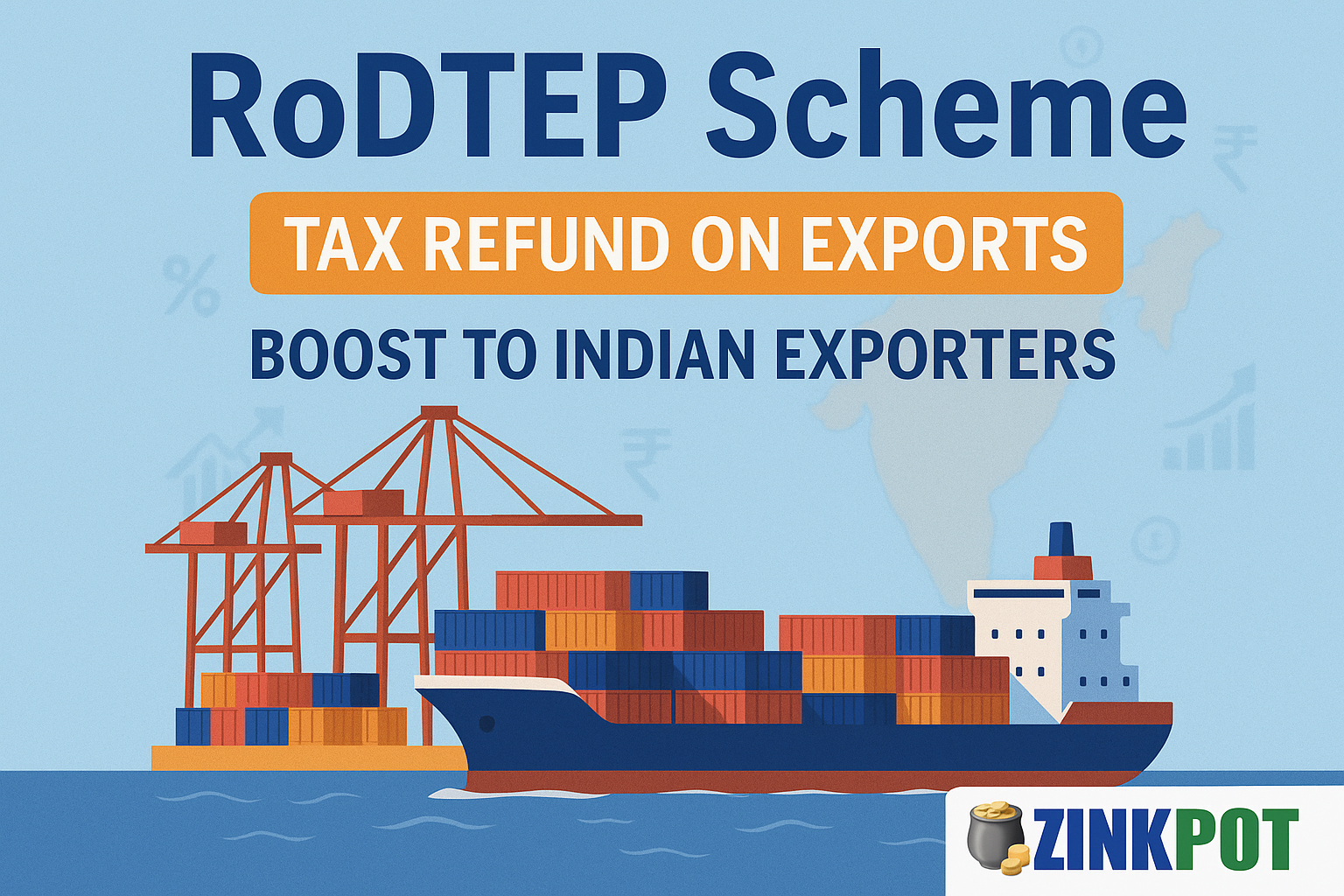
June 02 WHAT? The RoDTEP scheme or Remission of Duties and Taxes on Exported Products scheme is a WTO-compliant export incentive launched by the Government of India in January 2021, to reimburse embedded taxes and duties that were not refunded under any other export scheme like GST refunds or duty drawback. The objective of the scheme is to make Indian exports globally competitive by neutralizing taxes and duties that exporters incur but are not rebated anywhere else in the tax system. It was launched and made...

Comments
Write Comment