India's Stand Vindicated as Pakistan Misses IMF Loan Conditions Again.Pakistan has failed to meet three out of five key targets set by the International Monetary Fund (IMF) for the second review of its $7 billion bailout package, reinforcing India's long-standing concerns about Islamabad's poor track record in implementing IMF reforms and the potential misuse of funds. This development highlights persistent structural and fiscal weaknesses in Pakistan's economy, including revenue shortfalls and unchecked unorganized sectors.
Pakistan's performance under the 37-month Extended Fund Facility (EFF), approved by the IMF in September 2024 for SDR 5,320 million (approximately $7 billion) with an initial disbursement of $1 billion, has been underwhelming due to many reasons.
While the IMF has noted some progress in macroeconomic stability (e.g., falling inflation and rising reserves as of April 2025), ongoing risks from fiscal slippages persist. India's abstention from earlier IMF votes (e.g., in May 2025) and calls for reforms in global institutions reflect concerns that rewarding such behavior exposes donors to reputational risks and undermines global values.

Ask Anything, Know Better
June 12 HOW MUCH IS THE DEBT? India’s household debt has become a growing concern, with recent data showing a significant rise in borrowing. By June 2024, household debt reached 42.9% of GDP, as reported by the Reserve Bank of India (RBI) in its Financial Stability Report (December 2024), a sharp increase from 37.6% in March 2023 and well above the pre-pandemic average of 33% (2015-2019). The government’s push for financial inclusion has increased credit access, but without addressing income inequality or...
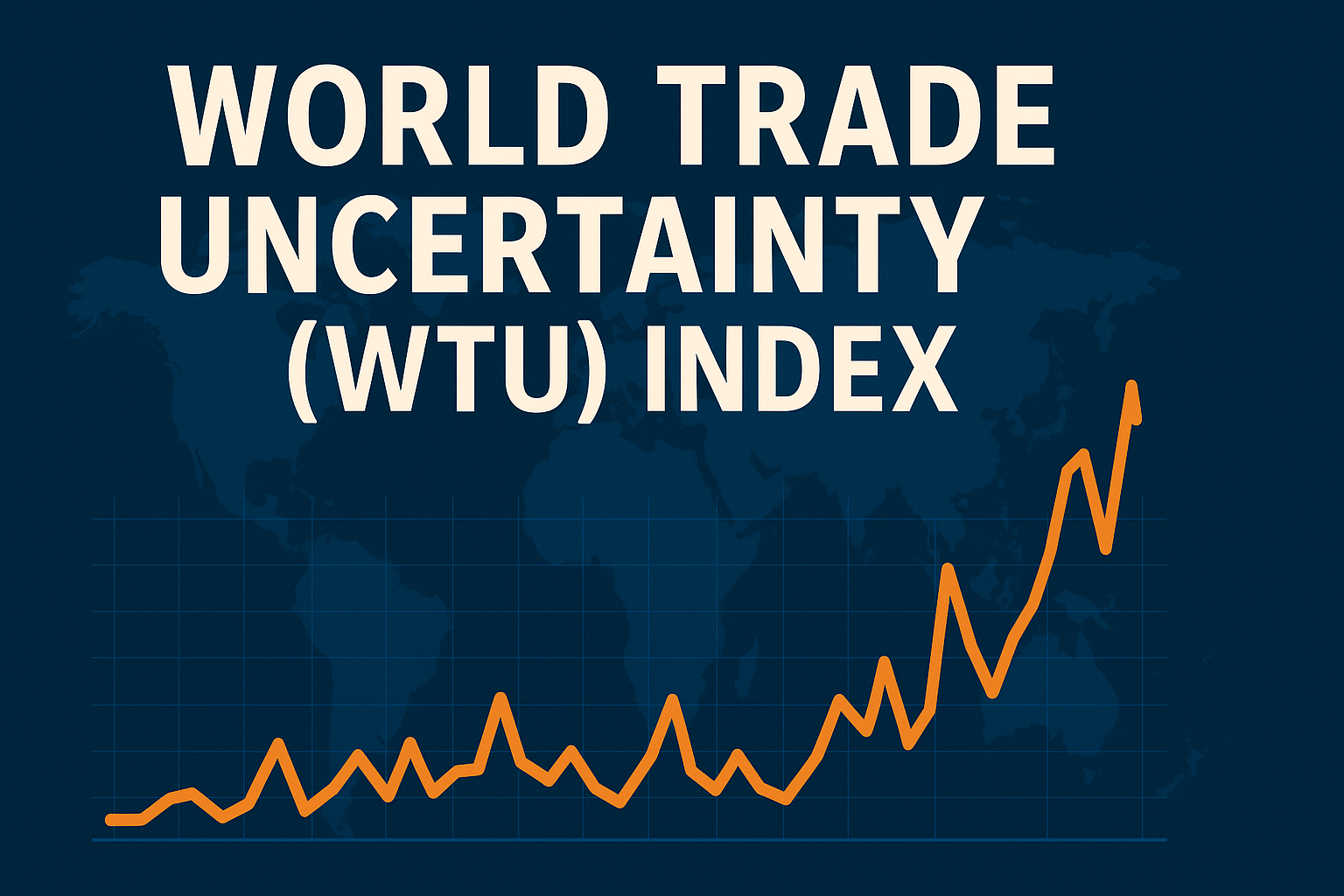
May 13 WHAT? The World Trade Uncertainty Index is a global economic indicator developed by the International Monetary Fund (IMF) to measure uncertainty related to trade policy across countries and over time. It is published by International Monetary Fund (IMF) and Updated quarterly, available on the IMF's official website. What Does It Measure? The WTU Index quantifies trade-related uncertainty by analyzing the frequency of terms related to "trade" and "uncertainty" in the Economist...
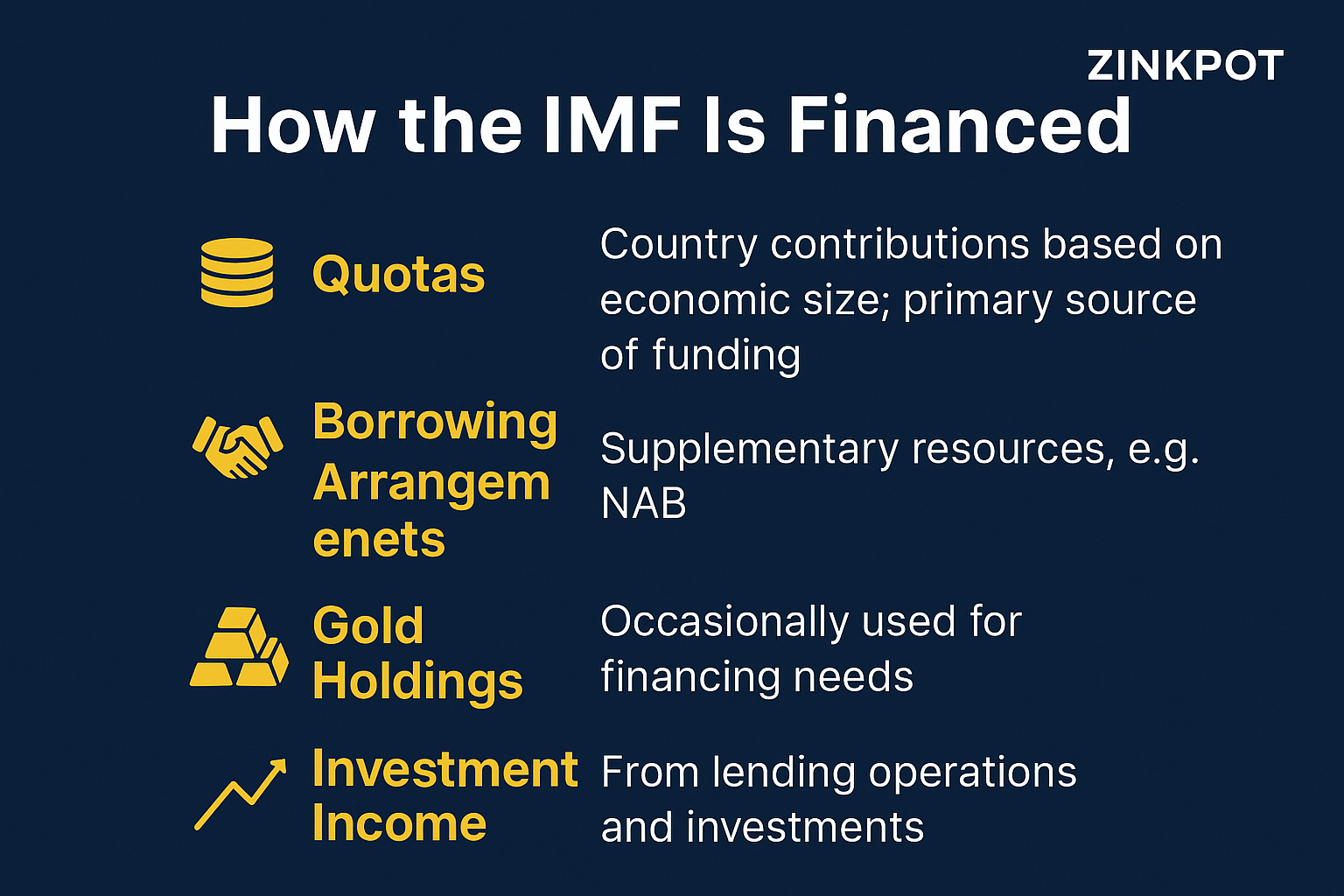
April 13 Who funds the IMF? The money the IMF lends to its members comes from member countries, mainly through their payment of quotas. However multilateral and bilateral arrangements can supplement quota funds and plays a critical role in the IMF’s support for member countries in times of crisis. IMF funds come from three sources: member quotas, multilateral and bilateral borrowing agreements. Member quotas Member quotas are the primary source of IMF funding. A member country’s quota reflects...
July 03 What is a SDR? The SDR is an international reserve asset. The SDR itself is not a currency but an asset that holders can exchange for currency when needed. The SDR serves as the unit of account of the IMF and other international organizations. Special Drawing Rights (SDR) was created by the International Monetary Fund in 1969. The SDR serves as the unit of account of the IMF.Though it is not a real currency, it is just a unit of account. What is the purpose of the SDR? The IMF created the SDR as a...
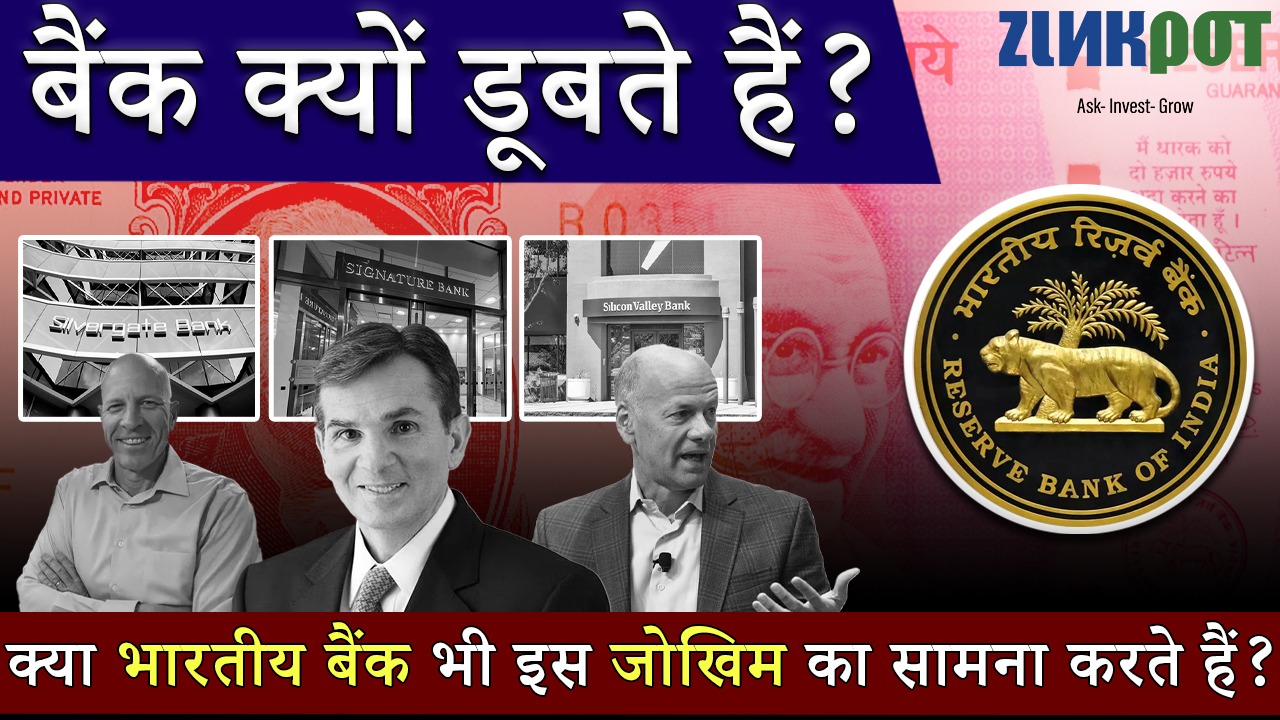
March 22 CONTEXT Three major banks in the US have collapsed since 10 March - Silicon Valley Bank (SVB), Silvergate and Signature Bank - the biggest bank failures since 2008. Similarly Credit Suisse Bank of Switzerland is about to collapse without the support of the European Central Bank. The question is why do banks collapse, especially such big and old ones? Banks are susceptible to many types of risks. One of them is the credit risk where loans they have given turn bad or do not return. The other is the liquidity...

Comments
Write Comment